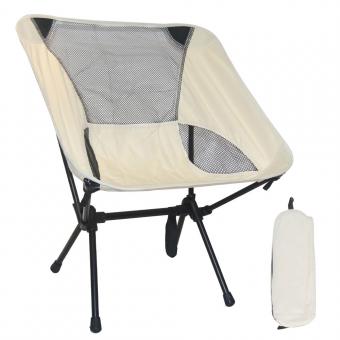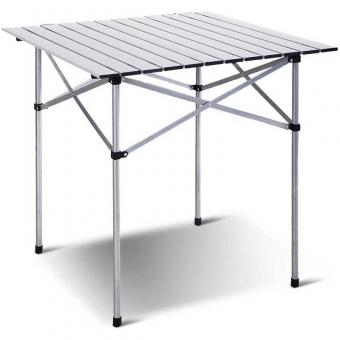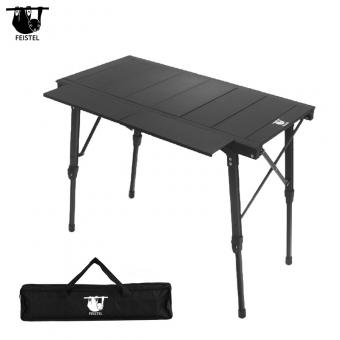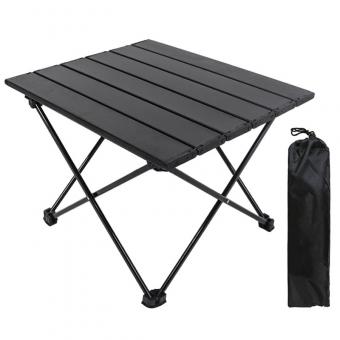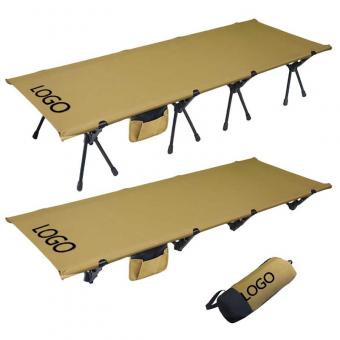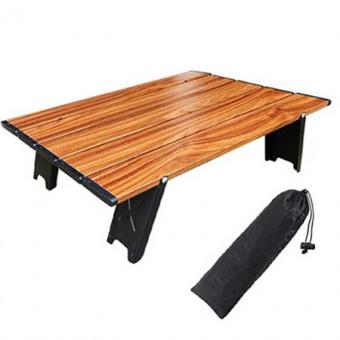
Merke : ANHUI FEISTEL FACTORY Relatert produksjon : OEM & ODM Produkt : Et lett, lite, sammenleggbart piknikbord perfekt for utendørsaktiviteter. Laget av slitesterke materialer, er den bærbar, enkel å sette opp.
neil velkommen til vår nettside!
lære merI de senere årene har den beskjedne hengekøyen utviklet seg fra et uformelt hagetilbehør til et sofistikert og funksjonelt møbel. Blant de mest populære variantene er hengekøyehuske , en allsidig sitteløsning som kombinerer komfort, estetisk appell og plassbesparende design. For bedrifter innen hotell-, forretnings- og boligsektoren – inkludert feriestedutviklere , kafé- og restauranteiere , eiendomsforvaltere , og interiørdesignere – Å anskaffe disse huskene i bulk representerer en betydelig investering som tar sikte på å forbedre kundeopplevelsen og den visuelle atmosfæren.
Et vellykket bulkkjøp avhenger imidlertid av to ikke-forhandlingsbare faktorer: materialsammensetning og den vektkapasitet I motsetning til å kjøpe en enkelt enhet til personlig bruk, forstørrer en bulkbestilling konsekvensene av hvert materialvalg og strukturelle spesifikasjon. Valg av feil stoff kan føre til utbredt falming og forringelse, mens undervurdering av vektkapasitet kan føre til katastrofale sikkerhetsfeil og ansvarsproblemer. Denne omfattende veiledningen er utformet for å veilede deg gjennom disse kritiske hensynene, og sikre at investeringen din i slitesterke hengekøyehusker i kommersiell kvalitet gir langsiktig verdi, sikkerhet og tilfredshet.
Før vi går inn på spesifikasjonene, er det viktig å forstå den grunnleggende anatomien til en hengekøyehuske. I motsetning til tradisjonelle løftebøyler hengekøyer , disse er vanligvis utformet som en hengende stol eller kokong. Hovedkomponentene er:
Seilet eller setet: Hoveddelen, vanligvis laget av vevd eller solid stoff, som danner sitteområdet.
Fjæringssystemet: Dette inkluderer kraftige kjeder , tau , eller pulverlakkerte stålkabler som kobler setet til opphengspunktet. Maskinvaren— karabinere , S-kroker , og takfester – er en integrert del av dette systemet.
Løftebøylen eller bøylen (hvis aktuelt): En stiv stang, ofte laget av rustfritt stål eller hardtre , som holder svingen åpen og gir form.
Puter og polstring (valgfritt): Ekstra komfortlag, som krever egne materialhensyn for utendørs bruk.
For kommersielle applikasjoner må hver komponent konstrueres for høyfrekvent bruk , miljøeksponering , og brukersikkerhet , noe som gjør materialvitenskap og lasttesting av største betydning.
Materialvalg er den aller viktigste faktoren for en huskes levetid, vedlikeholdsbehov og ytelse. Ved store bestillinger kjøper du ikke bare et produkt; du velger et langsiktig materialsamarbeid.
Stoffet danner brukerens primære grensesnitt og bærer konstant strekkbelastning. Kommersielle kjøpere bør fokusere på syntetiske, værbestandige vevinger.
Polyester (kommersiell standard): Dette er det mest anbefalte og slitesterke stoffet for utendørs husker. Det er iboende:
UV-bestandig: Høykvalitets polyester er behandlet for å motstå nedbrytning fra sollys, noe som forhindrer falming og svekkelse av fibrene.
Vannavvisende og hurtigtørkende: Den absorberer ikke fuktighet slik som naturlige fibre, noe som forhindrer mugg, meldugg og råte. Dette er kritisk for feriesteder eller kafeer i fuktige klimaer.
Høy strekkfasthet: Moderne polyestergarn tilbyr eksepsjonelle styrke-til-vekt-forhold, og motstår strekking og riving selv under konstant belastning.
Lett å vedlikeholde: Den kan enkelt rengjøres med mild såpe og vann, en nødvendighet for kommersielle miljøer med mye trafikk.
Nylon (styrkefokusert): Nylon er enda sterkere enn polyester målt per denier og tilbyr utmerket elastisitet (som kan øke komforten). Det er imidlertid mer utsatt for UV-nedbrytning med mindre det er spesialbehandlet. For rent skyggefulle eller innendørs kommersielle installasjoner der maksimal styrke er nødvendig, er nylon et utmerket valg.
Bomull og lerret (estetisk vs. praktisk):
Bomullstau/-vev: Gir en klassisk, pustende følelse, men er ikke egnet for de fleste kommersielle utendørsapplikasjoner. Den absorberer vann, er utsatt for mugg, falmer raskt, og styrken forringes med værpåvirkning.
Sunbrella®-type løsningsfarget akryllerret: For et mer eksklusivt, møbellignende utseende er dette et premiumalternativ. Disse stoffene er løsningsfarget , som betyr at fargen er innebygd i fiberen, noe som gjør dem ekstraordinært falmebestandig , vannavstøtende og slitesterke. Selv om de er dyrere i utgangspunktet, tilbyr de overlegen levetid og estetikk for eksklusive arenaer.
Vevetetthet er viktig: I spesifikasjonene dine, spør om fornekter (gjengetykkelse) og vevetetthet En tettere veving med høyere denier (f.eks. 400D eller høyere) vil være mer motstandsdyktig mot slitasje, nupping og hakking.
Materialet som danner slyngens struktur er like viktig som selve stoffet.
Polypropylentau: Et vanlig, økonomisk valg. Det er vanntett og flyter, men den har lavere UV-motstand og kan bli sprø og falme over tid i direkte sollys.
Polyestertau/-snor: Det overlegne valget for holdbarhet. Den deler det samme UV- og fuktighetsbestandighet som polyesterstoff, noe som skaper et harmonisk og like slitesterkt system. Det opprettholder fleksibilitet og styrke over tid.
Teksturerte polyesterstropper: Bredere, flate stropper fordeler vekten annerledes og kan gi en distinkt estetikk. De er vanligvis veldig sterke og slitesterke hvis de er laget av samme høykvalitets polyester.
Det er her vektkapasitet virkelig er konstruert. Gå aldri på akkord med maskinvarekvaliteten.
Sprederstenger og bøyler: Må være laget av rustfritt stål (ideell for allvær) eller pulverlakkert stål Pulverlakkering gir en tykk og slitesterk overflate som motstår rust og riper. Unngå vanlig stål eller svake metaller.
Opphengskjeder/kabler: Galvaniserte eller pulverlakkerte stålkjeder er industristandarder. Sørg for at leddene er sveiset sammen for sikkerhets skyld. For et slankere utseende, vinylbelagte stålkabler er sterke og beskytter overflater mot riper.
Tilkobling av maskinvare: Alle karabinere , S-kroker , vårlenker , og takplater må være godkjent for lastbærende bruk. De bør lages av rustfritt stål eller sinkbelagt stål med en minimumsbruddstyrke som langt overstiger svingens oppgitte kapasitet. Se etter maskinvare merket med en Arbeidsbelastningsgrense (WLL) .
Et produkt merket «holder 147 kg» forteller bare en del av historien. For kommersiell bruk må du forstå de tekniske og sikkerhetsmessige marginene bak dette tallet.
Statisk belastning: Vekten til en ubevegelig person. Dette er grunnlinjen.
Dynamisk belastning: Kraften som genereres når en person setter seg ned med makt, svinger eller flytter seg. Denne kraften kan være 2–3 ganger den statiske vekten. Kommersielle husker må konstrueres for høye dynamiske belastninger på grunn av uforutsigbar offentlig bruk. En huske som er klassifisert for 140 kg statisk belastning, bør ha komponenter (stoff, tau, maskinvare) testet for å tåle 400 kg eller mer dynamisk kraft.
Anerkjente produsenter bygger i en sikkerhetsfaktor (ofte 3:1, 4:1 eller 5:1). Dette betyr at hvis en sving markedsføres for en 300-lb kapasitet , komponentene har en minimum bruddstyrke på 900 til 1500 pund Når du ber om tilbud på bulkbestillinger, spør leverandørene eksplisitt: "Hva er sikkerhetsfaktoren og minimum bruddstyrke for nøkkelkomponentene deres?" En transparent produsent vil oppgi disse dataene.
For ansvarsbeskyttelse, spør om teststandarder. Utfører de intern belastningstesting Kan de tilby testrapporter? Selv om det ikke alltid finnes en spesifikk sertifisering for hengekøyer, kan det hende at det finnes maskinvare som karabinere fjellklatringsklasse (CE/UIAA) eller industrielle vurderinger Bruk av vurdert maskinvare er en sterk indikator på kvalitet.
Sørg for at den oppgitte kapasiteten gjelder for hele systemet : slynge, tau, løftebøyle, kjettinger og maskinvare. Det svakeste leddet definerer den virkelige sikkerhetskapasiteten. Et vanlig feilpunkt ved bulkinnkjøp er å bestille husker med tilstrekkelig slyngestyrke, men kombinere dem med undermåls, uklassifiserte karabinere fra en annen leverandør.
Når de tekniske spesifikasjonene er klare, introduserer kommersiell anskaffelse ytterligere lag.
De fleste produsenter tilbyr nivåbasert prising basert på bestillingsmengde. Fastslå ditt omtrentlige behov (f.eks. 50, 100, 500 enheter) for å få nøyaktig prising. Vær oppmerksom på Minimumsbestillingsmengder (MOQ-er) , som kan være i hundrevis for tilpassede design.
Bulkkjøp åpner dører for tilpasning, et kraftig verktøy for merkevarebygging.
Fargematching: Oppgi merkets Pantone-koder for å få stoffet vevd eller farget i samsvar.
Logointegrasjon: Vurder å ha logoer vevd direkte inn i stoffet eller legges til via en slitesterk, utendørsklassifisert lapp.
Emballasje: Be om enkel eller spesialtilpasset emballasje for en enhetlig utpakkingsopplevelse på flere steder.
Hopp aldri over dette trinnet. Før du forplikter deg til en full containerlast:
Bestill 2–3 produksjonsprøver: Kontroller stingkvaliteten (se etter dobbeltsydd eller stangfestet sømmer på stresspunkter), maskinvarefinish og stoffets følelse.
Utfør din egen stresstest: Last prøven trygt utover den angitte kapasiteten med sandsekker, og sjekk for deformasjon, sømtøyning eller skader på maskinvaren.
Etablere QC-protokoller: Bli enige med leverandøren om akseptable feilrater (f.eks. 1–2 %) og prosessen for å håndtere defekte enheter i en forsendelse.
Leveringstid: Tilpasset produksjon og store bestillinger tar tid. Ta med i betraktningen 60–120 dager for produksjon og sjøfrakt.
Frakt og importavgifter: Avklar om prisingen er FOB (gratis ombord) eller DDP (Delivered Duty Paid) Forstå alle logistikkkostnader.
Kommersiell garanti: Søk etter en garanti som dekker defekter i materialer og utførelse i en definert periode (f.eks. 1–2 år for kommersiell bruk). Forstå kravprosessen.
Å gjøre et informert kjøp av hengekøyehusker i stor skala er en strategisk prosess. For å oppsummere denne veiledningen, bruk følgende sjekkliste når du samarbeider med leverandører:
Materialspesifikasjon:
Primærstoff: UV-bestandig, høy denier Polyester eller løsningsfarget akryl.
Tau/snor: Polyester for konsistens og holdbarhet.
Ramme/maskinvare: Rustfritt stål eller pulverlakkert stål .
Maskinvare: Vurdert karabinere og fester med en oppgitt arbeidsbelastningsgrense.
Vektkapasitet og sikkerhet:
Oppgitt kapasitet: Møter eller overgår dine brukerdemografiske behov (sikt mot minimum 136–180 kg til kommersiell bruk).
Sikkerhetsfaktor: Leverandøren bekrefter en minimum 3:1 eller høyere sikkerhetsfaktor.
Dynamisk lastteknikk: Produktet er designet for offentlig, aktiv bruk.
Spesifikasjoner for bulkbestillinger:
Prøver mottatt og fysisk testet.
Tilpasningsdetaljer (farge, logo) ferdigstilt og godkjent.
Kvalitetskontrollprotokoller og prosess for feilretting er avtalt.
Tydelig forståelse av totale landede kostnader (produkt, frakt, avgifter).
Kommersielle garantivilkår mottatt skriftlig.
Ved å prioritere materiell integritet og konstruert vektkapasitet , forvandler du bulkbestillingen din fra et enkelt møbelkjøp til en langsiktig investering i sikkerhet, komfort og merkevarekvalitet. De riktige hengekøyehuskene vil ikke bare tåle tidens tann og bruk, men vil også bli et ikonisk og elsket innslag i rommet ditt i årene som kommer.
kategorier
ny blogg
Merke : ANHUI FEISTEL FACTORY Relatert produksjon : OEM & ODM Produkt : Et lett, lite, sammenleggbart piknikbord perfekt for utendørsaktiviteter. Laget av slitesterke materialer, er den bærbar, enkel å sette opp.
Merke : ANHUI FEISTEL-FABRIKKEN Relatert produksjon : OEM og ODM Produkt : Den spesialtilpassede, lette, sammenleggbare månestolen i metall og jern tilbyr slitesterk støtte og komfort, ideell for utendørs camping, med et kompakt, bærbart design for enkel transport og oppbevaring.
Merke : ANHUI FEISTEL FACTORY Relatert produksjon : OEM & ODM Produkt : Utendørs bærbart sammenleggbart Roll Up piknikbord: Lett, slitesterk aluminiumsdesign med justerbar høyde, enkelt oppsett og kompakt bæreveske for camping, piknik og utendørsaktiviteter.
Merke : ANHUI FEISTEL FACTORY Relatert produksjon : OEM & ODM Produkt : Et allsidig, bærbart IGT BBQ campingbord med justerbare høydeben. Ideell for utendørs matlaging, camping og piknik. Lett og sammenleggbar for enkel transport.
Merke : ANHUI FEISTEL FACTORY Relatert produksjon : OEM & ODM Produkt : Kompakt og lett sammenleggbart aluminiumsbord, perfekt for camping, strand eller utendørsaktiviteter. Lett å bære, solid og ideell for oppbevaring av mat og drikke.
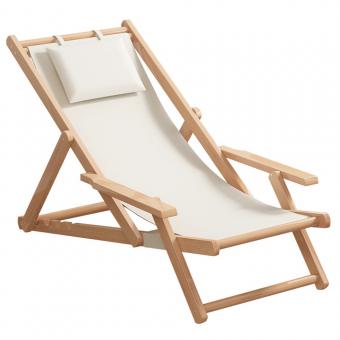
Merke : ANHUI FEISTEL-FABRIKKEN Relatert produksjon : OEM og ODM Produkt : Denne sammenleggbare lenestolen i tre for camping har en solid ramme, ergonomisk tilbakelent design og kompakt sammenleggbar struktur – perfekt for avslapning på stranden, campingplassen eller i hagen.
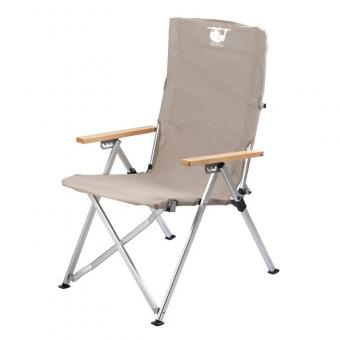
Merke : ANHUI FEISTEL-FABRIKKEN Relatert produksjon : OEM og ODM Produkt : Denne sammenleggbare campingstolen med aluminiumsramme for utendørs bruk har justerbar ryggstøtte, et lett, men solid design, og tilbyr bærbar komfort for camping, strandturer, piknik og avslapning utendørs.
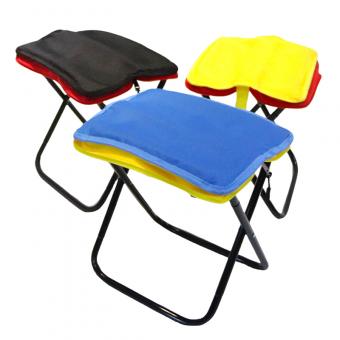
Merke : ANHUI FEISTEL-FABRIKKEN Relatert produksjon : OEM og ODM Produkt : Minikrakken for turgåing kombinerer et slitesterkt, sammenleggbart design i Oxford-stoff med en kreativ lomme til penal, noe som gir bærbarhet, komfort og praktisk funksjonalitet for camping og utendørseventyr.
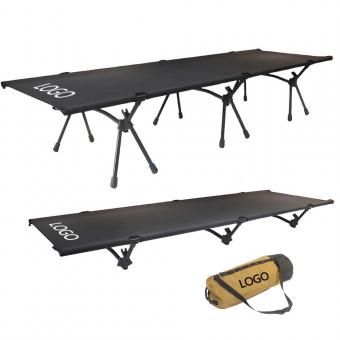
Merke : ANHUI FEISTEL-FABRIKKEN Relatert produksjon : OEM og ODM Produkt : Reisesengen for turutstyr i engros er en sammenleggbar campingseng med justerbar høyde som gir solid støtte, enkel bærbarhet og komfortabel hvile for utendørseventyr.
Merke : ANHUI FEISTEL FACTORY Relatert produksjon : OEM & ODM Produkt : En utendørs ultralett enkel kompakt bærbar sammenleggbar campingseng ideell for backpacking, med en slitesterk ramme, enkelt oppsett og en praktisk bæreveske for reiser.
LA OSS HOLDE KONTAKT :