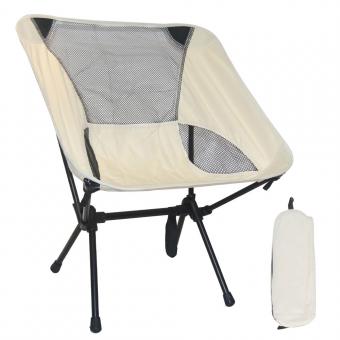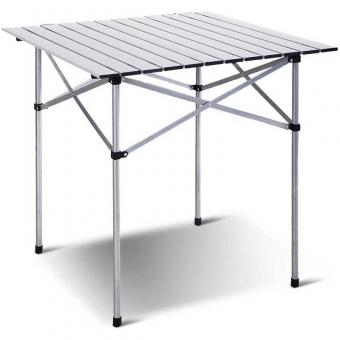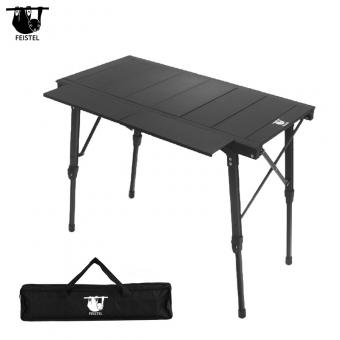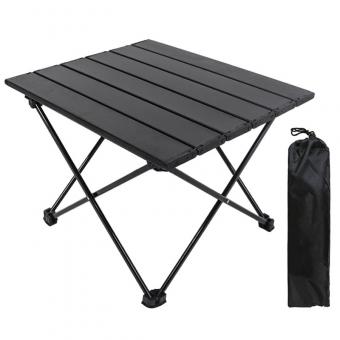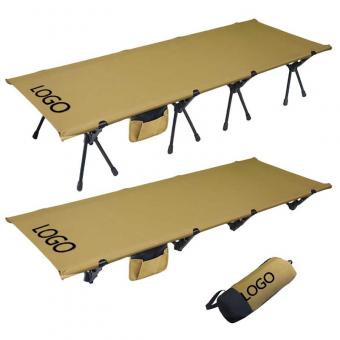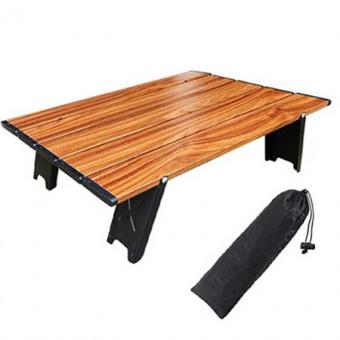
Merke : ANHUI FEISTEL FACTORY Relatert produksjon : OEM & ODM Produkt : Et lett, lite, sammenleggbart piknikbord perfekt for utendørsaktiviteter. Laget av slitesterke materialer, er den bærbar, enkel å sette opp.
neil velkommen til vår nettside!
lære merEttersom friluftsentusiaster i økende grad søker lette, allsidige og komfortable alternativer til tradisjonell teltcamping, hengekøyecamping har blitt et populært valg. For nybegynnere kan overgangen fra å sove på bakken til å hvile i luften virke skremmende, men med riktig veiledning, enkel hengekøye camping tilbyr uovertruffen bekvemmelighet og komfort. Denne omfattende guiden vil veilede deg gjennom alt du trenger å vite om å sette opp ditt første hengekøye-campingsystem, fra å velge riktig utstyr til å perfeksjonere hengeteknikken din.
I motsetning til tradisjonell teltcamping som krever flatt, ryddet terreng, hengekøyecamping bruker trær eller andre solide ankere for å lage et hengende sovesystem. Denne tilnærmingen gir flere klare fordeler: den eliminerer problemer med steinete eller ujevnt terreng, holder deg unna insekter på bakken, gir overlegen ventilasjon i varmt vær og kan være mer komfortabel for mange som sover.
Det grunnleggende hengekøye campingoppsett består av tre viktige komponenter: hengekøyekroppen, opphengssystemet og isolasjonen. Hver komponent spiller en kritisk rolle i å skape et sikkert og komfortabelt overnattingssystem. Moderne campinghengekøyer har utviklet seg betydelig fra enkle solsenger i hagen til sofistikerte ly designet spesielt for friluftsentusiaster.
Camping med enkel hengekøye appellerer til ulike friluftsentusiaster:
Backpackere søker å minimere vekt og volum i sekkene sine
Sykkelturister trenger kompakte lyalternativer
Kajakkpadlere og kanopadlere camping i områder med begrenset flatt terreng
Minimalistiske campingvogner som setter pris på enkelhet og kontakt med naturen
Sidesovere som synes tradisjonelle liggeunderlag er ukomfortable
Å forstå dine spesifikke behov vil hjelpe deg med å velge det mest passende hengekøyesystemet for dine eventyr.
Selve hengekøyen fungerer som fundamentet for systemet ditt. For camping med enkel hengekøye , vil du vanligvis velge mellom enkle hengekøyer (beregnet for én person) og doble hengekøyer (bredere versjoner som har mer komfort for én person). Viktige hensyn inkluderer:
Materiale og konstruksjon:
De fleste campinghengekøyer av høy kvalitet er laget av slitesterke, lette stoffer som
ripstop nylon
eller
fallskjermnylon
Disse materialene tilbyr utmerket
styrke-til-vekt-forhold
samtidig som de forblir pustende og hurtigtørkende. Se etter hengekøyer med trippelsømmer og forsterkede festepunkter for økt holdbarhet.
Størrelse og dimensjoner:
For optimal komfort bør hengekøyen være minst 2,7 meter lang, men mange campere foretrekker modeller på 3–3 meter som gir flatere liggestillinger. Bredden varierer vanligvis fra 1,4 meter for enkeltmodeller til 1,8 meter for doble hengekøyer. Den ekstra bredden på en
dobbel hengekøye
muliggjør diagonal liggende, noe som skaper en flatere og mer komfortabel soveflate.
Integrerte funksjoner:
Mange moderne
campinghengekøyer
inkluderer innebygde insektnett, lommer for oppbevaring av utstyr og ryggkanter. En
integrert insektnett
er spesielt verdifull for camping i myggutsatte områder, ettersom den gir full beskyttelse uten bryderiet med et separat nett. Innvendige oppbevaringslommer holder små nødvendigheter som hodelykter, telefoner og briller lett tilgjengelige gjennom natten.
De fjæringssystem kobler hengekøya til trær eller andre ankere. Denne kritiske komponenten må være sterk, pålitelig og enkel å justere. Vanlige opphengsalternativer inkluderer:
Stropper med spenner:
Ansett som det mest nybegynnervennlige alternativet,
trestropper
med integrerte spenner er enkle å bruke og minimerer skade på trær. Disse systemene består vanligvis av nylon- eller polyesterstropper som vikles rundt trær, med spenner som gir enkel lengdejustering. Se etter stropper som er minst 2,5 cm brede for å fordele trykket og beskytte trebarken.
Whoopie-slynger og kontinuerlige løkker:
For erfarne hengekøyecampere som ønsker maksimal justerbarhet med minimal vekt,
whoopie-slynger
tilbyr sofistikert funksjonalitet. Disse justerbare løkkene laget av høyfast dyneema eller amsteel gir tilnærmet uendelig justerbarhet, men krever mer kunnskap for å bruke dem riktig.
Karabinkrok- og knutesystemer:
Noen minimalistiske campere foretrekker å bruke klatringsklassifiserte
karabinere
med ulike knutesystemer. Selv om denne tilnærmingen kan spare vekt, krever den knutebindingsekspertise og er kanskje ikke ideell for nybegynnere.
I motsetning til telt som fanger varm luft rundt deg, utsetter hengekøyer deg for luftsirkulasjon på alle sider. Dette gjør riktig isolasjon avgjørende for komfort under alt annet enn de varmeste forhold.
Underlapper:
En
underlappeteppe
henger under hengekøya og skaper en isolert luftlomme som fanger varme uten å komprimeres under deg. Dette er allment ansett som den mest effektive og komfortable isolasjonsmetoden for camping i hengekøyer. Underdyner finnes i forskjellige temperaturklasser, med
tre-sesongsmodeller
vanligvis vurdert til 20–40 °F (-6 til 4 °C).
Soveunderlag:
Tradisjonell
soveunderlag
kan brukes i hengekøyer, selv om de har en tendens til å forskyve seg om natten. Oppblåsbare liggeunderlag gir bedre isolasjon enn skum i denne situasjonen. Noen campere bruker spesialiserte dobbeltlagshengekøyer med lommer for å feste liggeunderlagene på plass.
Toppisolasjon:
En standard sovepose fungerer bra som toppisolasjon i en hengekøye, selv om mange erfarne hengekøyecampere foretrekker
topptepper
– i hovedsak soveposer uten rygg – som gjør det enklere å justere og eliminerer unødvendig materiale under deg.
Selv om det ikke er strengt tatt nødvendig, kan flere tilbehør forbedre hengekøye campingopplevelse :
Strukturell rygglinje:
EN
strukturell rygglinje
er en snor med fast lengde som går mellom endene av hengekøyen din, og som opprettholder optimal nedhengning uansett hvor tett den henger. Dette sikrer jevn komfort og gjør det enklere å plassere ekstra utstyr som insektnett, presenninger og utstyrsorganisatorer.
Regnpresenning:
En vanntett
regnpresenning
gir viktig beskyttelse mot nedbør. Presenninger finnes i forskjellige former (sekskant, rektangel, vinter) og størrelser, med større modeller som gir mer dekning i stormfulle forhold. Mange inkluderer flere festepunkter for allsidige oppstillingsmuligheter.
Utstyrsorganisasjon:
Fra enkle utstyrsstropper som henger under hengekøyen til takholdere for små gjenstander, hjelper diverse tilbehør med å holde de viktigste eiendelene dine organisert og tilgjengelige gjennom natten.
Vellykket hengekøyecamping starter med riktig valg av sted:
Krav til treet:
Se etter friske, levende trær med omtrent 3,6–4,5 meters mellomrom. Hvert tre bør være minst 15 cm i diameter for å kunne bære vekten din på en trygg måte. Unngå døde trær eller trær med synlige skader, da de kanskje ikke er strukturelt solide.
Terrenghensyn:
Selv om hengekøyer eliminerer behovet for flatt underlag, bør du vurdere hva som er under hengeplassen din. Unngå områder med farlig avfall, maurtuer eller stillestående vann. Slake skråninger er akseptable, men vær oppmerksom på potensiell avrenning under regn.
Miljøansvar:
Følg alltid
Prinsippene om å ikke etterlate spor
Når du camper i hengekøye. Bruk brede trestropper for å minimere barkskader, unngå å henge fra unge eller sensitive trær, og aldri endre plassen ved å kutte grener eller rydde vegetasjon.
Riktig opphengsteknikk er avgjørende for komfort og sikkerhet:
Fest stropper: Pakk inn din trestropper rundt hvert tre i omtrent øyehøyde (1,5–1,8 meter høyt). Sørg for at stroppene ligger flatt mot barken uten å vri seg.
Koble til hengekøye: Fest endene av hengekøyen til stroppene med karabinere eller det integrerte festesystemet. Koblingspunktene skal være i omtrent samme høyde på begge trærne.
Oppnå riktig sag: Hengekøyen din bør henge med betydelig nedbøyning – omtrent en 30-graders vinkel mellom stroppen og treet sett fra siden. Dette skaper den komfortable, bananformede kurven som tillater diagonal liggende.
Test og juster: Sitt i hengekøya for å teste høyden og strammingen. Hengekøya bør være lav nok til at du lett kan komme inn, men høy nok til at du ikke berører bakken når du ligger ned. Juster etter behov før du legger til isolasjon og andre komponenter.
Når hengekøya er riktig hengt opp:
Montering av presenning:
Streng din
regnpresenning
over hengekøyeryggen, og sørg for at den dekker begge ender av hengekøyen. I godt vær kan du sette den høyere for bedre utsikt og ventilasjon; i forventet regn kan du sette den lavere og tettere inntil hengekøyen. Tenk på vindretningen når du plasserer presenningen.
Utrulling av Bug Net:
Hvis du bruker en separat
insektnett
I stedet for en integrert modell, draper du den over hengekøyemønet før du går inn. Sørg for at den er helt forseglet, med bunnkantene gjemt under isolasjonen eller tynget ned for å hindre at insekter kommer inn.
Mange som camper i hengekøye for første gang sliter med å finne komfortable sovestillinger. I motsetning til å ligge parallelt med hengekøyens midtlinje (som skaper en bananlignende kurve), ligger erfarne hengekøyesovere diagonalt. Denne stillingen lar kroppen ligge nesten flatt:
Gå inn i hengekøyen din og sitt i midten som du vanligvis ville gjort.
Flytt kroppen gradvis slik at hodet og føttene vinkler mot motsatte ender av hengekøyen.
Juster til du føler at ryggen din flater ut komfortabelt.
Små justeringer kan påvirke komforten betydelig:
Høydevariasjoner:
Å heve eller senke den ene enden av hengekøya litt kan lindre trykket på visse kroppsdeler. Mange som sover på siden foretrekker å ha hodeenden litt høyere.
Spenning i rygglinjen:
Hvis du bruker en
strukturell rygglinje
, lengden bestemmer hvor langt hengekøyen din skal falle. De fleste hengekøyer har en optimal rygglengde på omtrent 83 % av hengekøyens totale lengde. Du kan justere dette litt for å finne din personlige preferanse.
Putehensyn:
Noen campere synes de trenger lite eller ingen pute i en riktig plassert hengekøye, mens andre foretrekker små campingputer eller sekker fylt med klær plassert under nakken eller knærne.
De fleste hengekøyecamping forekommer om våren, sommeren og høsten. Hver årstid byr på unike hensyn:
Vår/høst: Fokuser på isolasjon når temperaturen synker. tre-sesongs underdyne og passende toppisolasjon er avgjørende. Vurder en større presenning med dører som kan lukkes for å blokkere vind.
Sommer: Prioriter ventilasjon. Du kan bruke lettere isolasjon eller ingen i det hele tatt i varme klimaer. Insektbeskyttelse blir avgjørende. Noen som camper i hengekøyer om sommeren bruker spesialiserte "sommervekts"-undertepper som gir minimal isolasjon samtidig som de blokkerer bris.
Vinter hengekøyecamping krever ytterligere forholdsregler:
Forbedret isolasjon: Bruk en vinterklassifisert underlappeteppe og toppisolasjon, potensielt å kombinere flere lag i ekstrem kulde. Noen campere legger til skumputer mellom lagene for ekstra varme.
Vind- og snøhåndtering: En fireårs presenning med dører gir viktig beskyttelse mot vinddrevet snø. Plasser den lavt til bakken for å holde på varmen. Vurder å lage snøvegger rundt oppsettet ditt for ekstra vindskjerming.
Kondenskontroll: Til tross for bedre ventilasjon enn telt, kan hengekøyer fortsatt oppleve kondens om vinteren. Sørg for tilstrekkelig luftgjennomstrømning under presenningen samtidig som du opprettholder varmen.
Når passende trær ikke er tilgjengelige, bruker erfarne hengekøyecampere kreative alternativer:
Kjøretøytilbehør: Mange hengekøyer kan festes til kjøretøy, med den ene enden på et tre og den andre på et takstativ eller en tilhenger.
Bærbare stativ: Diverse bærbare hengekøyestativer tillater oppsett hvor som helst. Disse er spesielt nyttige for camping på stranden eller i områder uten trær.
Enkeltforankringssystemer: Med spesialiserte staver eller turstaver kan du lage oppsett med ett anker ved hjelp av en stativkonfigurasjon.
Respekter alltid utstyret ditt vektkapasitet De fleste campinghengekøyer av god kvalitet tåler en vekt på 140–180 kg, men sjekk den spesifikke modellens kapasitet. Kontroller regelmessig hele systemet for slitasje, og vær spesielt oppmerksom på sømmer, stropper og karabinere.
Til tross for fordelene deres, hengekøyer tilbyr mindre beskyttelse mot uvær enn ly med hardt skall. Ha en reserveplan for ekstreme forhold. Sjekk alltid værmeldingene og vær forberedt på å søke alternativt ly om nødvendig.
Selv om det å sove i en høyereliggende stilling gir en viss beskyttelse mot bakkelevende skapninger, gjør det deg ikke immun mot møter med dyrelivet. Riktig matoppbevaring er fortsatt viktig. I bjørneland bør du følge alle anbefalte forholdsregler, uavhengig av hvilken type ly du har.
Camping med enkel hengekøye tilbyr en unik og komfortabel tilnærming til utendørs soving som mange synes er bedre enn tradisjonell teltcamping. Selv om den første læringskurven kan virke bratt, vil det å følge denne omfattende veiledningen hjelpe deg med å mestre det grunnleggende raskt.
Start med kvalitetsutstyr som passer til dine primære campingforhold, øv på oppsettet i et kontrollert miljø som hagen din, og finjuster systemet gradvis basert på personlige preferanser. Hver justering bringer deg nærmere å skape ditt perfekte hengende fristed.
Husk at hengekøyecamping handler like mye om tankesett som om utstyr. Omfavn fleksibiliteten, forbindelsen med omgivelsene og den unike komforten som kommer av å sove blant trærne. Med riktig forberedelse og øvelse vil du snart lure på hvorfor du noen gang sov på bakken.
Etter hvert som du får erfaring, vil du utvikle personlige preferanser og teknikker som gjør din hengekøyecamping et unikt oppsett. Reisen fra nybegynner til erfaren hengekøyecamper er fylt med netter med uovertruffen stjernekikking, milde gyngende briser og den dype freden som kommer av å sove komfortabelt i naturen.
kategorier
ny blogg
Merke : ANHUI FEISTEL FACTORY Relatert produksjon : OEM & ODM Produkt : Et lett, lite, sammenleggbart piknikbord perfekt for utendørsaktiviteter. Laget av slitesterke materialer, er den bærbar, enkel å sette opp.
Merke : ANHUI FEISTEL-FABRIKKEN Relatert produksjon : OEM og ODM Produkt : Den spesialtilpassede, lette, sammenleggbare månestolen i metall og jern tilbyr slitesterk støtte og komfort, ideell for utendørs camping, med et kompakt, bærbart design for enkel transport og oppbevaring.
Merke : ANHUI FEISTEL FACTORY Relatert produksjon : OEM & ODM Produkt : Utendørs bærbart sammenleggbart Roll Up piknikbord: Lett, slitesterk aluminiumsdesign med justerbar høyde, enkelt oppsett og kompakt bæreveske for camping, piknik og utendørsaktiviteter.
Merke : ANHUI FEISTEL FACTORY Relatert produksjon : OEM & ODM Produkt : Et allsidig, bærbart IGT BBQ campingbord med justerbare høydeben. Ideell for utendørs matlaging, camping og piknik. Lett og sammenleggbar for enkel transport.
Merke : ANHUI FEISTEL FACTORY Relatert produksjon : OEM & ODM Produkt : Kompakt og lett sammenleggbart aluminiumsbord, perfekt for camping, strand eller utendørsaktiviteter. Lett å bære, solid og ideell for oppbevaring av mat og drikke.
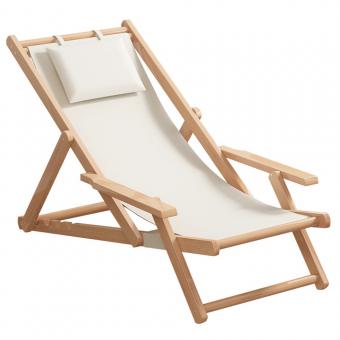
Merke : ANHUI FEISTEL-FABRIKKEN Relatert produksjon : OEM og ODM Produkt : Denne sammenleggbare lenestolen i tre for camping har en solid ramme, ergonomisk tilbakelent design og kompakt sammenleggbar struktur – perfekt for avslapning på stranden, campingplassen eller i hagen.
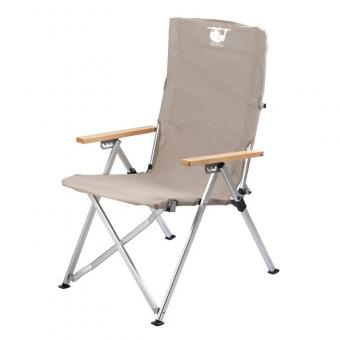
Merke : ANHUI FEISTEL-FABRIKKEN Relatert produksjon : OEM og ODM Produkt : Denne sammenleggbare campingstolen med aluminiumsramme for utendørs bruk har justerbar ryggstøtte, et lett, men solid design, og tilbyr bærbar komfort for camping, strandturer, piknik og avslapning utendørs.
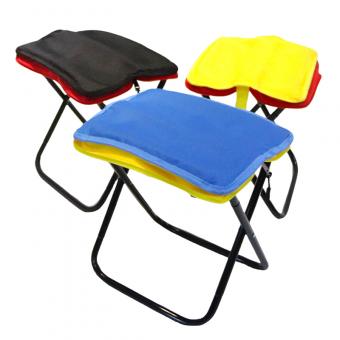
Merke : ANHUI FEISTEL-FABRIKKEN Relatert produksjon : OEM og ODM Produkt : Minikrakken for turgåing kombinerer et slitesterkt, sammenleggbart design i Oxford-stoff med en kreativ lomme til penal, noe som gir bærbarhet, komfort og praktisk funksjonalitet for camping og utendørseventyr.
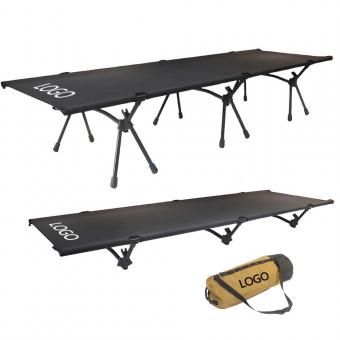
Merke : ANHUI FEISTEL-FABRIKKEN Relatert produksjon : OEM og ODM Produkt : Reisesengen for turutstyr i engros er en sammenleggbar campingseng med justerbar høyde som gir solid støtte, enkel bærbarhet og komfortabel hvile for utendørseventyr.
Merke : ANHUI FEISTEL FACTORY Relatert produksjon : OEM & ODM Produkt : En utendørs ultralett enkel kompakt bærbar sammenleggbar campingseng ideell for backpacking, med en slitesterk ramme, enkelt oppsett og en praktisk bæreveske for reiser.
LA OSS HOLDE KONTAKT :