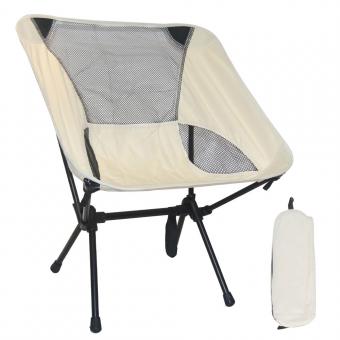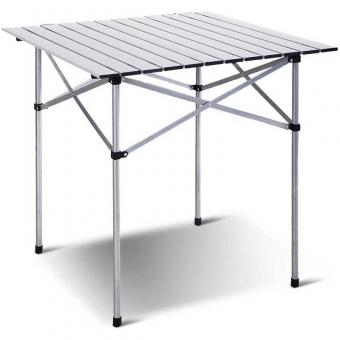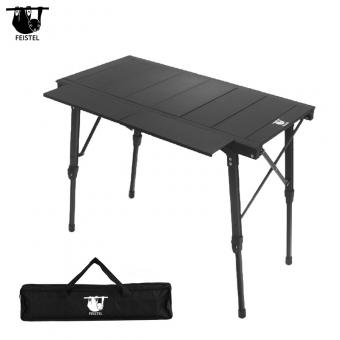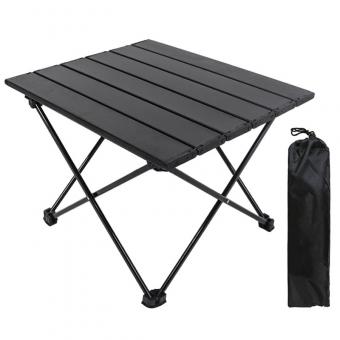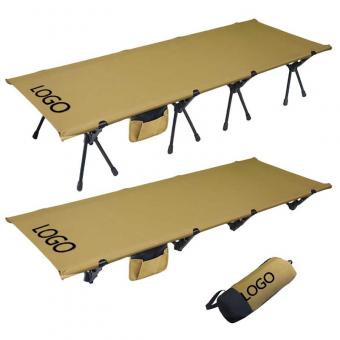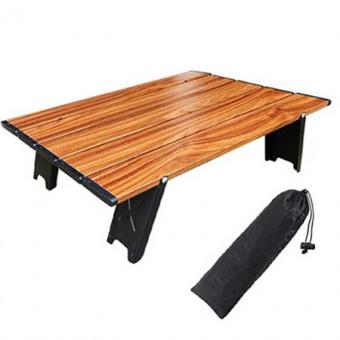
Merke : ANHUI FEISTEL FACTORY Relatert produksjon : OEM & ODM Produkt : Et lett, lite, sammenleggbart piknikbord perfekt for utendørsaktiviteter. Laget av slitesterke materialer, er den bærbar, enkel å sette opp.
neil velkommen til vår nettside!
lære mer
For turgåere og backpackere er turstaver viktige verktøy som reduserer støt mot ledd og gir stabilitet i utfordrende terreng. Men uansett hvor mye du investerer i staver av høy kvalitet, gjenstår én uunngåelig realitet: tuppene slites ut. Enten du sliter ut gummitupper med noen få ukers mellomrom eller merker at hardmetallspissene dine blir avrundede etter en enkelt sesong, kan det å forstå hvorfor dette skjer – og hvordan du kan forhindre det – spare deg penger og sikre at stavene dine yter når du trenger dem mest.
Denne omfattende guiden utforsker vitenskapen bak slitasje på tupper på turstaver, identifiserer faktorene som akselererer forringelse, og gir handlingsrettede strategier for å forlenge levetiden til tuppen med tre ganger eller mer.
Turstaver av høy kvalitet funksjonstips laget av wolframkarbid – et av de hardeste materialene som er tilgjengelige for denne applikasjonen Wolframkarbid er det samme materialet som brukes i betongbor og industrielle verktøyinnsatser på grunn av sin eksepsjonelle hardhet og slitestyrke. En kvalitetskarbidspiss kan vare 5000+ miles før det trengs utskifting .
Den primære fordelen med karbid er dens evne til å bite seg fast i is, våt stein og hardpakket materiale, samtidig som den beholder formen over tusenvis av kilometer. Selvrensende spor bidrar til å fjerne gjørme, noe som gjør disse tuppene ideelle for 90 % av alle stiforhold .
Noen stenger på innstegsnivå bruker herdede ståltupper. Selv om de er funksjonelle, mangler stål den ekstreme hardheten til karbid og vil "slites ned på kort tid" til sammenligning. Hvis stengene dine kom med ståltupper og du bruker dem raskt, kan det være det mest kostnadseffektive alternativet å oppgradere til karbidkompatible erstatninger.
Gummipusser (ofte kalt «poter» eller «veipisser») tjener et annet formål. De er utformet for å:
Sørg for stille gange på fortauet
Beskytt delikate overflater som treplanker og granitt
Reduser vibrasjoner på harde overflater
Gummipusser har imidlertid mye kortere levetid – vanligvis 1–3 sesonger avhengig av bruk På slipende overflater som asfalt kan de slites gjennom på så lite som 50–100 mil .
Den største faktoren som påvirker spissens levetid er overflaten du går på. Karbidspisser utmerker seg på jord, stein og is, men når de brukes på fortau eller betong, gjør de følgende:
Lag irriterende "klikk-klakk"-lyd
Opplev akselerert slitasje ved kontaktpunktet
Mister den spisse profilen raskere
Gummipusser slites derimot raskest på ru, slipende overflater. En pilegrim fra Camino de Santiago rapporterte at de brant seg gjennom gummipisser på bare 50 km (31 miles) på spansk fortau De samme tipsene kan vare i måneder på myke skogsstier.
Her er en faktor de fleste turgåere overser: stavene dine holder naturlig samme retning i forhold til reiseretningen din. Over tid skaper dette en slitasjemønster hvor den ene siden av spissen blir flatet ut mens den motsatte siden forblir nesten ny Denne ujevne slitasjen reduserer den effektive levetiden til spissen betydelig, fordi du i hovedsak bare bruker 25 % av det tilgjengelige materialet.
Hvordan du planter stengene dine påvirker slitasjen på tuppene. "Stikkende" bevegelser i bratte vinkler legger ujevn belastning på tuppene og kan akselerere slitasje på den ene siden. Å dra stengene i stedet for å løfte dem mellom plantene øker også slitasjen.
Smuss, grus og fuktighet som sitter fast i spissenhetene kan akselerere slitasje og gjøre utskifting vanskeligere. Saltpåvirkning fra fotturer langs kysten er spesielt etsende. .
Den vanligste årsaken til rask slitasje er enkel feilpasning: bruk av gummitupper på slipende stier eller karbidtupper på fortau når du burde bruke beskyttere .
Dette enkle trikset kan doble eller tredoble levetiden til både gummi- og karbidspisser. Fordi slitasjen konsentreres på den ene siden av spissen på grunn av konsistent polretning, roter tuppene dine 90 grader med noen få dagers mellomrom .
Slik gjør du det:
Løsne stavseksjonene hver 3.–5. turdag
Roter den nedre delen (med spissen) 90 grader i forhold til den øvre delen
Stram til igjen og fortsett å gå
Dette eksponerer en frisk, uslitt overflate til stien, og multipliserer effektivt levetiden til tuppen med antall rotasjoner du utfører. Forumbrukere rapporterer at denne teknikken forlenger levetiden til tuppen betydelig. .
Å vedta en hybrid tilnærming reduserer slitasjen dramatisk på både karbid- og gummispisser .
Terrengspesifikk spissvalg:
Grusveier, stein, is, ur Kun karbidspisser
Fortau, gangveier, byområder Gummi tipper over karbid
Dyp gjørme eller myrer Legg til gjørmekurver for å forhindre at de synker ned
Nøkkelen er å bytte tupper proaktivt. Ha gummitupper i lommen og ta dem på når du kommer ut på asfalt, og fjern dem deretter når du kommer tilbake til grus. Denne vanen kan holde de originale gummispissene dine perfekte i årevis, samtidig som de bevarer karbidspissene dine når du trenger dem som mest.
Det skaper problemer å vente til tuppene er helt slitt:
Slitte karbidspisser mister grepet på våt stein og is
Skadede tupper er vanskeligere å fjerne
Du risikerer å skade hylsen (metallhylsen som holder spissen)
Skift ut karbidspissene når spissen blir synlig avrundet eller glatt For gummitupper, bytt ut når du kan se at karbidtuppen begynner å skinne gjennom .
For budsjettbevisste turgåere som hovedsakelig går på fortau, Vinkorker tilbyr et overraskende effektivt alternativ til kommersielle gummispisser .
Slik fungerer det:
Bor et 3/8" hull, 0,75" dypt, i den brede enden av en vinkork.
Sett inn en skive i størrelse 8 (reddet fra gamle gummitupper)
Skyv korken på stangspissen og fest den med elektrisk tape
Disse korktuppene varer 50–100 mil på asfalt og betong , koster så å si ingenting, og gir utmerket stille gange De er spesielt populære blant pilegrimer på Camino de Santiago som står overfor lange deler av fortauet.
Regelmessig stell forlenger spissens levetid betraktelig :
Etter hver fjelltur:
Tørk av spissene med en fuktig klut for å fjerne slipende grus
Inspiser for skader eller uvanlige slitasjemønstre
Ukentlig i aktive sesonger:
Test spissens skarphet ved å føre en finger over spissen
Etter gjørmete eller sandfylte turer:
Rengjør umiddelbart – grus fungerer som sandpapir på tuppene
Kritisk advarsel Smør aldri stangakslene nær tuppene – dette kan føre til glidning og faktisk øke slitasjen ved at stangen beveger seg under planting. .
Når utskifting blir nødvendig, invester i kvalitet. Oppgradering av karbidspiss til 15 dollar varer lenger enn fem sett med gummipoter Universelle reservetupper er lett tilgjengelige og passer til de fleste standardstenger med ~12 mm koniske nedre seksjoner. .
For gummitupper er det økonomisk fornuftig å kjøpe i bulk. Tolvpakninger er tilgjengelige for under $10, slik at du kan dele med andre turgåere eller bare ha reservedeler klare. .
Når tuppene endelig er slitt ut, er det enkelt å bytte dem ut:
For karbid-/stålspisser:
Hvis den er limt, skjær forsiktig ned siden av plasttuppen og lirk den av.
Fest den nye plastdelen på stangen til samme dybde som den originale
For gummitupper:
Bare dra av gamle tupper (vri hjelper)
Skyv de nye tuppene godt fast på stangspissen
Hvis passformen er løs, vil en vikle med elektrisk tape rundt polenden skape en tettsittende passform
Tips for turstaver er forbruksvarer – de vil til slutt slites ut. Men ved å forstå faktorene som akselererer slitasje og implementere disse enkle strategiene, kan du forlenge spissens levetid med tre ganger eller mer.
De mest effektive metodene koster ingenting: Roter tipsene dine regelmessig , bytt til gummi på fortau , og rent etter hver fjelltur Disse små vanene forvandler tuppens levetid og sikrer at stavene dine gir pålitelig støtte når du trenger det som mest.
Husk ekspertens råd: «Litt vedlikehold etter turen sparer tid, nerver – og penger – i det lange løp» Turstavene dine er en investering i turkomfort og -sikkerhet. Å beskytte den investeringen starter fra bunnen av – med tuppene som berører stien.
kategorier
ny blogg
Merke : ANHUI FEISTEL FACTORY Relatert produksjon : OEM & ODM Produkt : Et lett, lite, sammenleggbart piknikbord perfekt for utendørsaktiviteter. Laget av slitesterke materialer, er den bærbar, enkel å sette opp.
Merke : ANHUI FEISTEL-FABRIKKEN Relatert produksjon : OEM og ODM Produkt : Den spesialtilpassede, lette, sammenleggbare månestolen i metall og jern tilbyr slitesterk støtte og komfort, ideell for utendørs camping, med et kompakt, bærbart design for enkel transport og oppbevaring.
Merke : ANHUI FEISTEL FACTORY Relatert produksjon : OEM & ODM Produkt : Utendørs bærbart sammenleggbart Roll Up piknikbord: Lett, slitesterk aluminiumsdesign med justerbar høyde, enkelt oppsett og kompakt bæreveske for camping, piknik og utendørsaktiviteter.
Merke : ANHUI FEISTEL FACTORY Relatert produksjon : OEM & ODM Produkt : Et allsidig, bærbart IGT BBQ campingbord med justerbare høydeben. Ideell for utendørs matlaging, camping og piknik. Lett og sammenleggbar for enkel transport.
Merke : ANHUI FEISTEL FACTORY Relatert produksjon : OEM & ODM Produkt : Kompakt og lett sammenleggbart aluminiumsbord, perfekt for camping, strand eller utendørsaktiviteter. Lett å bære, solid og ideell for oppbevaring av mat og drikke.
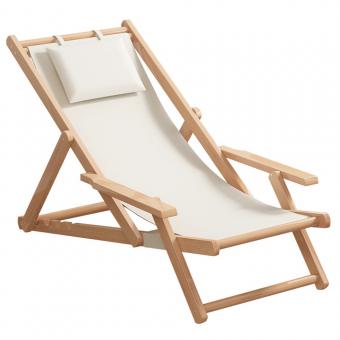
Merke : ANHUI FEISTEL-FABRIKKEN Relatert produksjon : OEM og ODM Produkt : Denne sammenleggbare lenestolen i tre for camping har en solid ramme, ergonomisk tilbakelent design og kompakt sammenleggbar struktur – perfekt for avslapning på stranden, campingplassen eller i hagen.
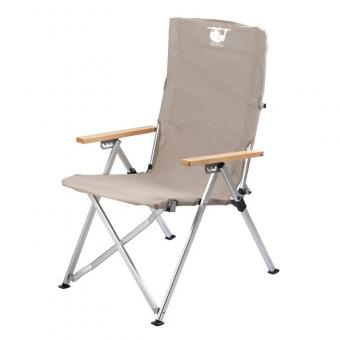
Merke : ANHUI FEISTEL-FABRIKKEN Relatert produksjon : OEM og ODM Produkt : Denne sammenleggbare campingstolen med aluminiumsramme for utendørs bruk har justerbar ryggstøtte, et lett, men solid design, og tilbyr bærbar komfort for camping, strandturer, piknik og avslapning utendørs.
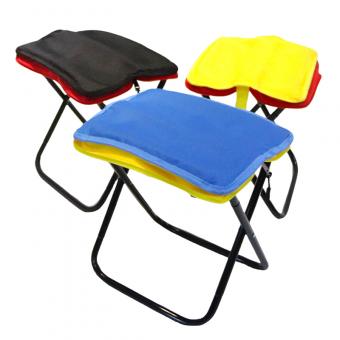
Merke : ANHUI FEISTEL-FABRIKKEN Relatert produksjon : OEM og ODM Produkt : Minikrakken for turgåing kombinerer et slitesterkt, sammenleggbart design i Oxford-stoff med en kreativ lomme til penal, noe som gir bærbarhet, komfort og praktisk funksjonalitet for camping og utendørseventyr.
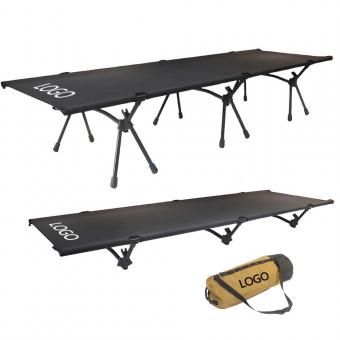
Merke : ANHUI FEISTEL-FABRIKKEN Relatert produksjon : OEM og ODM Produkt : Reisesengen for turutstyr i engros er en sammenleggbar campingseng med justerbar høyde som gir solid støtte, enkel bærbarhet og komfortabel hvile for utendørseventyr.
Merke : ANHUI FEISTEL FACTORY Relatert produksjon : OEM & ODM Produkt : En utendørs ultralett enkel kompakt bærbar sammenleggbar campingseng ideell for backpacking, med en slitesterk ramme, enkelt oppsett og en praktisk bæreveske for reiser.
LA OSS HOLDE KONTAKT :