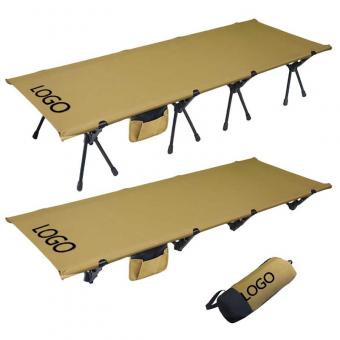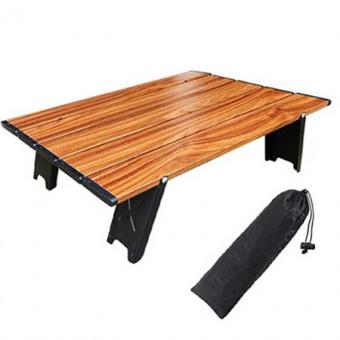
Merke : ANHUI FEISTEL FACTORY Relatert produksjon : OEM & ODM Produkt : Et lett, lite, sammenleggbart piknikbord perfekt for utendørsaktiviteter. Laget av slitesterke materialer, er den bærbar, enkel å sette opp.
neil velkommen til vår nettside!
lære merNår vi går inn i 2026, fortsetter lokket av å sove under stjernene, forsiktig vugget av bakken, å trekke flere mennesker til hengekøyecamping. Det er en type utendørs overnatting som tilbyr en unik blanding av komfort, minimal miljøpåvirkning og en dyp forbindelse med naturen. I motsetning til tradisjonell teltcamping, løfter et velvalgt hengekøyesystem deg bort fra steinete, skrånende eller vått underlag, og pakker ofte ned lettere og mindre enn et sammenlignbart telt- og liggeunderlagsoppsett. For førstegangsbrukere kan imidlertid utvalget av utstyrsalternativer virke overveldende. Denne veiledningen er utformet for å avmystifisere prosessen, og bryte ned hver viktige komponent i en hengekøye-campingsystem for å hjelpe deg med å ta informerte og trygge valg for ditt første eventyr.
Hengekøyen i seg selv er sengen, stolen og fristedet ditt. For camping over natten ser du ikke etter en dekorativ solseng i hagen, men en spesialbygd campinghengekøye med samlet ende .
I 2026 er dette fortsatt det første store valget.
Integrert insektnett: Mest nybegynnervennlig. Disse hengekøyene leveres med en innsydd eller med glidelås insektnett , som tilbyr sømløs, garantert beskyttelse mot insekter. Modeller som Warbonnet Blackbird XLC eller Dutchware kameleon er populære for sin fulle innkapsling og brukervennlighet De er «klare til å sove», men kan være varmere om sommeren.
Separat insektnett (hengekøye uten netting + nett for nøkkel/sokke): Gir maksimal fleksibilitet. En enkel og lett nettløs hengekøye kan brukes alene for avslapning i pent vær. Når insektene er ute, legger du til et eksternt insektnett som et Fronkey-stil (bunninngang) eller sokkestil nett Denne modulære tilnærmingen foretrekker ultralette entusiaster, men krever mer finesse ved oppsett.
Lengde: Dette er avgjørende for komforten. For en flat, diagonal sovestilling, velg en hengekøye med minst 10 fot (3 meter) lang Lengre hengekøyer (3,5 meter+) gir mer plass og en enda flatere legging. .
Stoff: Se etter slitesterke, pustende og hurtigtørkende syntetiske stoffer som nylon eller polyester. De er sterkere, lettere og tørker raskere enn bomull, som ikke egner seg for camping. .
Din fjæringssystem kobler hengekøya til trærne. Et godt system er enkelt å justere, beskytter trærne og er pålitelig.
Bruk alltid brede, flate trestropper (minst 2,5 cm bred). Bruk aldri tau alene, da det kan feste seg til og skade trebarken. Moderne stropper er lette og har ofte flere sydde løkker.
Flere effektive systemer dominerer markedet i 2026:
Daisy Chain-stropper: Den ultimate enkelheten. Disse stroppene har løkker med noen få centimeters mellomrom. Du fester ganske enkelt karabinkroken i ønsket løkke. De er idiotsikre for nybegynnere, men kan være litt tyngre. .
Cinch-spennesystem: En god balanse mellom brukervennlighet og justerbarhet. En metall- eller plastspenne glir langs båndet, noe som gir uendelig mikrojustering for å oppnå perfekt feste. .
Whoopie-slynger: En favoritt for ultralett hengekøyecamping Disse justerbare løkkene laget av høyfast snor (som Amsteel) er ekstremt lette og kompakte, men har en liten læringskurve. .
Profftips: Din ideelle opphengning har stroppene på omtrent en 30-graders vinkel fra treet, og skaper en komfortabel, litt hengende kurve i hengekøyekroppen .
EN regnpresenning (eller fly) er ikke valgfritt for camping. Det beskytter deg mot regn, blokkerer vind og gir en følelse av privatliv.
Sekskantede/asymmetriske presenninger: Lett og minimalistisk. De gir grunnleggende dekning rett over hengekøyens rygglinje. Asym-presenninger er mindre og krever presis justering i forhold til sovestillingen din. .
Rektangulære/firkantede presenninger: Det mest allsidige valget for nybegynnere. De tilbyr rikelig dekning, kan settes opp i flere konfigurasjoner (A-ramme, veranda-modus), og gir ekstra tørr plass til utstyr. En presenning på minst 11 fot lang anbefales for en 3,5 meter lang hengekøye .
Vinter-/dørpresenninger: Helt lukkede «presenninger» for hengekøyer. De har dører som forsegler, og gir overlegen beskyttelse mot vintervind og snøfokk. .
Det er her de fleste førstegangsreisende gjør en kostbar feil. En vanlig sovepose er ineffektiv under deg i en hengekøye fordi kroppsvekten din komprimerer loftet og eliminerer dets isolasjonsevne. Dette fører til Kald rumpesyndrom (CBS) Du trenger dedikert bunnisolasjon.
Et lukketcellet skum eller et oppblåsbart liggeunderlag med god R-verdi (isolasjonsgrad) kan brukes inne i hengekøyen. Det er et flerbruksprodukt hvis du også camper i telt. Imidlertid kan underlagene være glatte og føles begrensende i den buede hengekøyesengen. .
En underdyne er et spesialteppe som henger under hengekøyen din og omslutter den med luftig, ukomprimert isolasjon. Det gir overlegen, allsidig varme og bevegelsesfrihet. For komfort i temperaturer på eller under 18 °C , et underdyne anbefales på det sterkeste Selv om det ofte er det dyreste utstyret, er det den beste investeringen for varme og komfort.
På toppen kan du bruke den eksisterende soveposen din (glidelåsen er åpnet som et teppe) eller investere i en toppteppe —en ryggløs sovepose uten hette designet for hengekøyer, som sparer vekt og reduserer volum .
Rygglinje: En justerbar snor som går fra ende til ende av hengekøyen din, over deg. Den sikrer et jevnt og optimalt oppheng hver gang og gir et praktisk sted å feste en utstyrsslynge, lanterne eller liten veske.
Utstyrsslynge/organisator: En enkel nett- eller stoffhylle som henger under deg, slik at du har viktige ting som telefon, hodelykt, bok og vannflaske lett tilgjengelig.
Multiverktøymatte: Som bemerket av utstyrstestere, er en allsidig gjenstand som Manduka eKO Superlite Travel Yoga Mat kan fungere som et rent, isolert sted utenfor hengekøyen for å skifte sko .
Her er en praktisk handleliste for et balansert, nybegynnervennlig oppsett som passer for camping i tre sesonger:
Hengekøye: En 3,5 meter lang hengekøye med rynkede ender og en integrert insektnett med glidelås .
Suspensjon: En enkel, robust tusenfrydkjede-treremsystem med karabinere.
Presenning: EN rektangulær silnylon- eller polyesterpresenning , minst 11x10 fot, med barduner og staker.
Isolasjon: En syntetisk eller dun underdyne vurdert til 5 °C og en toppteppe eller din eksisterende sovepose.
Tilbehør: EN strukturell rygglinje , en utstyrsslynge , og to Vannflasker i Nalgene-stil .
Å velge ditt første hengekøyeutstyr er en reise mot en ny type utendørs frihet. Ved å forstå rollen til hver komponent – den støttende hengekøyen, den beskyttende presenningen, den avgjørende fjæringen og den viktige isolasjonen – går du fra å være en forsiktig nybegynner til en selvsikker hengekøyecamper. Husk at det beste utstyret er utstyret som får deg komfortabelt og trygt utendørs. Invester klokt i det grunnleggende, spesielt isolasjonen, og du vil bli belønnet med utallige avslappende netter mens du svinger deg under stjernene. Som teamet hos Outdoor NC anbefaler, alltid ... sjekk lokale forskrifter , bruk brede trestropper, og Etterlat ingen spor slik at disse vakre områdene fortsatt er tilgjengelige for alle Gå og finn dine to perfekte trær nå.
kategorier
ny blogg
Merke : ANHUI FEISTEL FACTORY Relatert produksjon : OEM & ODM Produkt : Et lett, lite, sammenleggbart piknikbord perfekt for utendørsaktiviteter. Laget av slitesterke materialer, er den bærbar, enkel å sette opp.
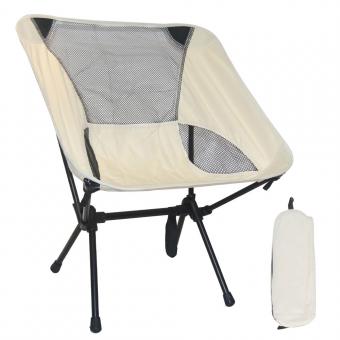
Merke : ANHUI FEISTEL-FABRIKKEN Relatert produksjon : OEM og ODM Produkt : Den spesialtilpassede, lette, sammenleggbare månestolen i metall og jern tilbyr slitesterk støtte og komfort, ideell for utendørs camping, med et kompakt, bærbart design for enkel transport og oppbevaring.
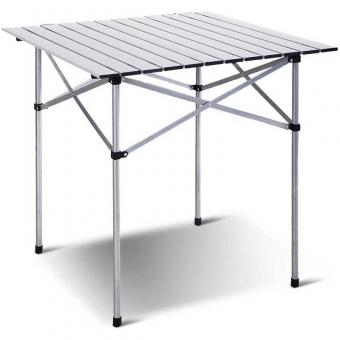
Merke : ANHUI FEISTEL FACTORY Relatert produksjon : OEM & ODM Produkt : Utendørs bærbart sammenleggbart Roll Up piknikbord: Lett, slitesterk aluminiumsdesign med justerbar høyde, enkelt oppsett og kompakt bæreveske for camping, piknik og utendørsaktiviteter.
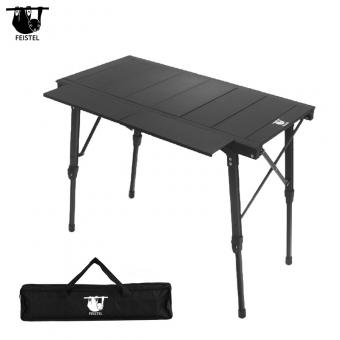
Merke : ANHUI FEISTEL FACTORY Relatert produksjon : OEM & ODM Produkt : Et allsidig, bærbart IGT BBQ campingbord med justerbare høydeben. Ideell for utendørs matlaging, camping og piknik. Lett og sammenleggbar for enkel transport.
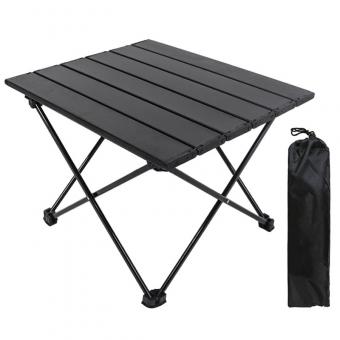
Merke : ANHUI FEISTEL FACTORY Relatert produksjon : OEM & ODM Produkt : Kompakt og lett sammenleggbart aluminiumsbord, perfekt for camping, strand eller utendørsaktiviteter. Lett å bære, solid og ideell for oppbevaring av mat og drikke.
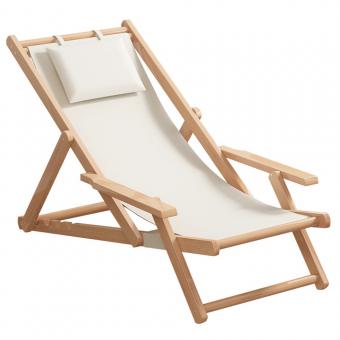
Merke : ANHUI FEISTEL-FABRIKKEN Relatert produksjon : OEM og ODM Produkt : Denne sammenleggbare lenestolen i tre for camping har en solid ramme, ergonomisk tilbakelent design og kompakt sammenleggbar struktur – perfekt for avslapning på stranden, campingplassen eller i hagen.
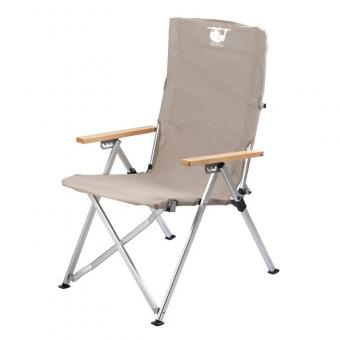
Merke : ANHUI FEISTEL-FABRIKKEN Relatert produksjon : OEM og ODM Produkt : Denne sammenleggbare campingstolen med aluminiumsramme for utendørs bruk har justerbar ryggstøtte, et lett, men solid design, og tilbyr bærbar komfort for camping, strandturer, piknik og avslapning utendørs.
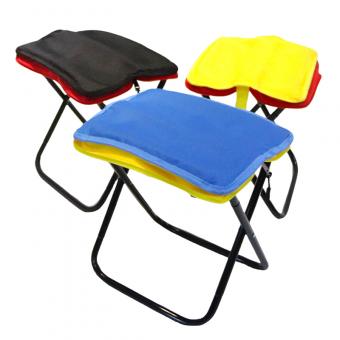
Merke : ANHUI FEISTEL-FABRIKKEN Relatert produksjon : OEM og ODM Produkt : Minikrakken for turgåing kombinerer et slitesterkt, sammenleggbart design i Oxford-stoff med en kreativ lomme til penal, noe som gir bærbarhet, komfort og praktisk funksjonalitet for camping og utendørseventyr.
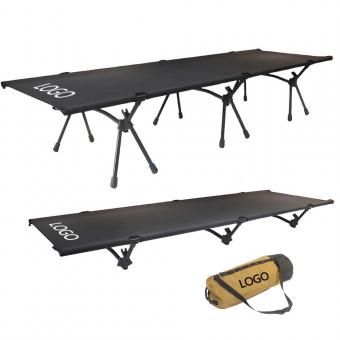
Merke : ANHUI FEISTEL-FABRIKKEN Relatert produksjon : OEM og ODM Produkt : Reisesengen for turutstyr i engros er en sammenleggbar campingseng med justerbar høyde som gir solid støtte, enkel bærbarhet og komfortabel hvile for utendørseventyr.
Merke : ANHUI FEISTEL FACTORY Relatert produksjon : OEM & ODM Produkt : En utendørs ultralett enkel kompakt bærbar sammenleggbar campingseng ideell for backpacking, med en slitesterk ramme, enkelt oppsett og en praktisk bæreveske for reiser.
LA OSS HOLDE KONTAKT :