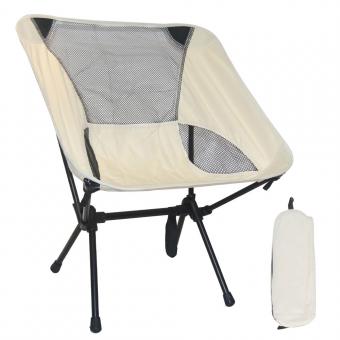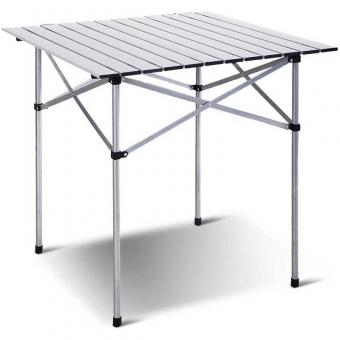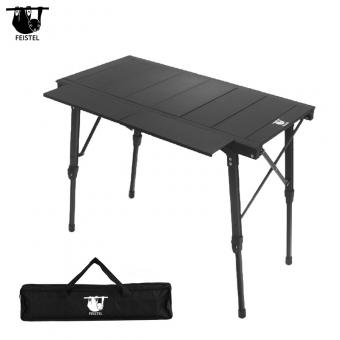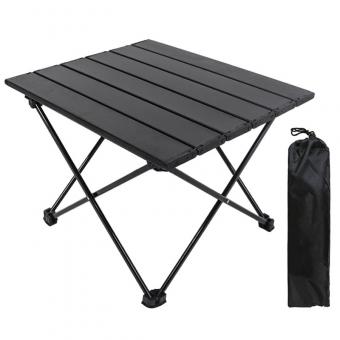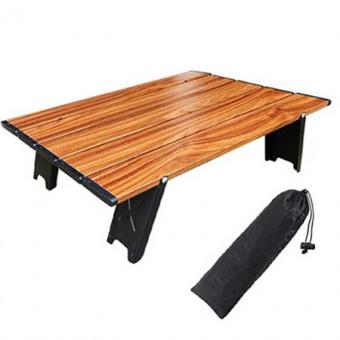
Merke : ANHUI FEISTEL FACTORY Relatert produksjon : OEM & ODM Produkt : Et lett, lite, sammenleggbart piknikbord perfekt for utendørsaktiviteter. Laget av slitesterke materialer, er den bærbar, enkel å sette opp.
neil velkommen til vår nettside!
lære merEn dag på stranden bør handle om avslapning, ikke om å kjempe mot sand som fester seg til alle overflater. Men hvis du noen gang har prøvd å riste sand ut av et tradisjonelt strandhåndkle, vet du at kampen er virkelig. Her kommer den sandfrie strandmatten—et konstruert tekstil utviklet for å holde sandkorn unna. Men med alternativer laget av polyester og nylon som oversvømmer markedet, hvordan velger du?
Denne veiledningen bryter ned forskjellene mellom polyester og nylon sandfrie strandmatter på tvers av sju viktige kategorier, og hjelper deg med å velge riktig materiale for dine kysteventyr.
Både polyester og nylon kan konstrueres for å motstå sand, men de oppnår dette gjennom ulike metoder.
Polyester sandfrie matter, som den populære CGear-serien, bruker et patentert tolagssystem av nøyaktig konstruerte polyesterlag som lar sand, smuss og støv falle gjennom stoffet uten at det kan komme opp igjen. Den doble vevingen med åpninger i ulike størrelser lar sand passere gjennom bare i én retning.Denne sandgjennomgangsteknologien er fundamentalt annerledes enn hvordan nylontepper motstår sand på overflaten
.Nylon sandfrie matter bruker derimot tettveving for å hindre at sandpartikler trenger inn i stoffet. Den tettvevde nylonen skaper en glatt overflate som sanden ganske enkelt sklir av.
Konklusjon: Polyester tilbyr ekte sandfiltreringsteknologi; nylon tilbyr sandmotstand på overflatenivå. For ren evne til å kvitte seg med sand har polyesters tolagssystem en fordel.
Hvis du bærer strandmatten et stykke, betyr vekten mye.
Nylon er den klare vinneren her. ANJ Pocket Blanket veier bare 3 unser (85 g) samtidig som den gir god plass. Wekapos 7'x7' ripstop-nylonteppe veier bare 1 pund. WolfWises 40D fallskjermnylonteppe veier 499 gram for en enorm størrelse på 210×270 cm.
Polyesterer tyngre. Selv om det fortsatt er bærbart, komprimeres det ikke like effektivt som nylon. CGear Sandlite, laget av 100 % polyester, er merkbart tyngre og mer plasskrevende når det er pakket.
Nylon komprimeres svært godt og brettes sammen i en integrert oppbevaringspose "mindre og lettere enn bare halvparten av smarttelefonen din".
Konklusjon: Nylon vinner når det gjelder vekt og pakkbarhet.
På stranden utsettes matten din for slipende sand, steinete underlag og gjentatt bretting.
Nylon, spesielt ripstop-nylon, tilbyr enestående motstand mot rifter og punkteringer. Det vevde rutemønsteret hindrer rifter i å spre seg. Nylon er eksepsjonelt sterkt – enda sterkere enn polyester. Det motstår olje og kjemikalier, noe som gjør det slitesterkt i tøffe miljøer. Wekapo-brukere bekrefter at selv om de først var bekymret for rifter, holdt nylonet seg svært godt. Førsteklasses fallskjermnylon er både rivebestandig og hurtigtørkende.
Polyesterviser sterk motstand mot slitasje, noe som gjør den egnet for gjentatt bruk på stranden der sand fungerer som et naturlig slipemiddel. Den tåler hyppig vask uten å miste strukturell integritet. CGear-matten viste ingen tegn til slitasje etter flere strandturer. Polyester er imidlertid ikke like slitesterkt som nylon totalt sett.
Konklusjon: Nylon har overlegen rivestyrke; polyester tilbyr utmerket motstand mot slitasje. Begge er slitesterke, men nylon ligger foran under krevende forhold.
Strandmatter tilbringer mange timer i direkte sollys. UV-nedbrytning er en reell bekymring.
Polyester har en tydelig fordel: motstand mot ultrafiolett stråling. Det er UV-bestandig og motstandsdyktig mot falming. Polyester opprettholder sin strukturelle integritet og farge ved langvarig soleksponering, noe som gjør det spesielt egnet for tepper som tilbringer hele dager på stranden.
Nylon er utsatt for UV-nedbrytning. UV-lys skaper frie radikaler som påvirker nylons egenskaper. Over tid vil nylondeler svekkes og falme i fargenNylon er følsomt for UV-bølgelengder på 290–315 nanometer. Selv om det beholder farge og strukturell integritet rimelig godt ved UV-eksponering, samsvarer det ikke med polyesterens naturlige UV-motstand.
Bedømmelse: Polyester vinner når det gjelder UV-motstand – en kritisk faktor for strandbruk.
Begge materialene tørker raskt, men med forskjellige mekanismer.
Polyester har høy fuktmotstand med rasktørkende egenskaper. Polyesterfiber har god evne til å absorbere fuktighet og god pusteevne, noe som gjør at den raskt kan absorbere og fordampe fuktighet. Strandtepper av polyester er kjent for å være slitesterke og hurtigtørkende. 210T-polyesterstoffet er vann- og rivebestandig, motstandsdyktig mot rynker og gir bedre isolasjon enn nylon.
Nylon er naturlig vannavvisende. Mange lommestrandtepper av nylon har ekstra vanntette belegg som PU-lag (polyuretan). Nylon absorberer imidlertid mer vann enn polyester og tørker ikke fullt så raskt. Nylon kan føles tynt og gir minimal polstring alene.
Bedømmelse: Polyester tørker raskere og gir bedre vannmotstand; nylon tørker raskt, men absorberer mer fuktighet.
Polyester kan føles fastere og mindre mykt. Noen brukere bemerker at nettmaterialet av polyester kan føles ru mot bar hud. CGear-matten beskrives som fast og grov. Polyester gir imidlertid bedre isolasjon enn nylon – nylon kleber seg til huden når det er vått og leder ikke bort varme særlig godt.
Nylon er tynt og lett. Brukere bemerker at det føles tynt, men overraskende slitesterkt. Det gir minimal polstring alene og brukes best som en beskyttende barriere med stoler eller håndklær oppå for komfort. Nylon kan føles varmt i direkte sollys.
Bedømmelse: Ingen av materialene er spesielt myke. Polyester gir bedre isolasjon; nylon er tynnere. De fleste brukere kombinerer begge med stoler eller håndklær for komfort.
Polyester er generelt rimeligere. 210T polyester konstruksjon gir utmerket verdi for familier som søker langsiktig ytelsePolyestermatter er vanligvis billigere å produsere og mer budsjettvennlige ved kjøp i store mengder.
Nylon har en høyere pris. Premium-nylontepper bruker førsteklasses fallskjermnylon eller ripstop-nylon med spesialiserte beleggDen høyere kostnaden gjenspeiler bedre rivestyrke, lavere vekt og bedre pakkbarhet.
Dom: Polyester vinner på pris; nylon rettferdiggjør premiumprisen med ytelsesfunksjoner.
Funksjon
Polyester
Nylon
Sandmotstand
★★★★★ (dobbeltlagsfiltrering)
★★★★ (vev med høy tetthet)
Vekt
★★★ (tyngre)
★★★★★ (ultralett)
Pakkbarhet
★★★
★★★★★
Rivestyrke
★★★★
★★★★★ (ripstop)
UV-motstand
★★★★★ (naturlig motstand)
★★★ (utsatt for nedbrytning)
Tørkehastighet
★★★★★ (raskest)
★★★★
Vannmotstand
★★★★★
★★★★
Pris
★★★★★ (rimelig)
★★★ (premium)
Polyestermestere: The CGear Sandlite bruker patentert teknologi med dobbelt lag av polyester som opprinnelig ble utviklet for militær bruk . Polyesteren er muggbestandig, UV-bestandig og kan vaskes i maskin.
Nylonmestere:Wekapo Beach Blanket bruker slitesterk ripstop-nylon . Den veier bare 1 pund, er sandavvisende og vannbestandig, og leveres med plugger og hjørnelommer for vindfulle forhold . Brukere elsker at «sand børstes lett av».
Velg polyester hvis:
Du ønsker ekte sandfiltreringsteknologi
UV-motstand er en prioritet (lange dager på stranden)
Du har et begrenset budsjett
Du foretrekker en fastere, mer isolerende overflate
Du ønsker bekvemmeligheten ved maskinvask
Velg nylon hvis:
Vekt og hvor lett den er å pakke sammen er dine høyeste prioriteringer
Du trenger maksimal rivestyrke for krevende forhold
Du er villig til å betale ekstra for ytelse
Du ønsker et tynt, lett underlag som kan pakkes svært kompakt
Begge materialene gir sandfrie opplevelser. Polyester gir bedre UV-motstand og ekte sandfiltreringsteknologi. Nylon gir uovertruffen bærbarhet og rivestyrke . «Vinneren» avhenger helt av dine prioriteringer – og hvor langt du er villig til å bære underlaget fra bilen til stranden.
kategorier
ny blogg
Merke : ANHUI FEISTEL FACTORY Relatert produksjon : OEM & ODM Produkt : Et lett, lite, sammenleggbart piknikbord perfekt for utendørsaktiviteter. Laget av slitesterke materialer, er den bærbar, enkel å sette opp.
Merke : ANHUI FEISTEL-FABRIKKEN Relatert produksjon : OEM og ODM Produkt : Den spesialtilpassede, lette, sammenleggbare månestolen i metall og jern tilbyr slitesterk støtte og komfort, ideell for utendørs camping, med et kompakt, bærbart design for enkel transport og oppbevaring.
Merke : ANHUI FEISTEL FACTORY Relatert produksjon : OEM & ODM Produkt : Utendørs bærbart sammenleggbart Roll Up piknikbord: Lett, slitesterk aluminiumsdesign med justerbar høyde, enkelt oppsett og kompakt bæreveske for camping, piknik og utendørsaktiviteter.
Merke : ANHUI FEISTEL FACTORY Relatert produksjon : OEM & ODM Produkt : Et allsidig, bærbart IGT BBQ campingbord med justerbare høydeben. Ideell for utendørs matlaging, camping og piknik. Lett og sammenleggbar for enkel transport.
Merke : ANHUI FEISTEL FACTORY Relatert produksjon : OEM & ODM Produkt : Kompakt og lett sammenleggbart aluminiumsbord, perfekt for camping, strand eller utendørsaktiviteter. Lett å bære, solid og ideell for oppbevaring av mat og drikke.
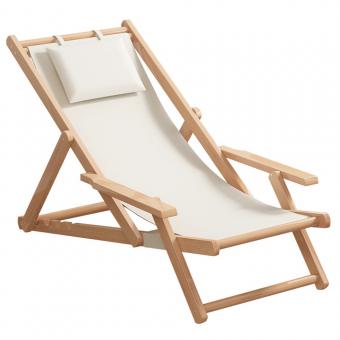
Merke : ANHUI FEISTEL-FABRIKKEN Relatert produksjon : OEM og ODM Produkt : Denne sammenleggbare lenestolen i tre for camping har en solid ramme, ergonomisk tilbakelent design og kompakt sammenleggbar struktur – perfekt for avslapning på stranden, campingplassen eller i hagen.
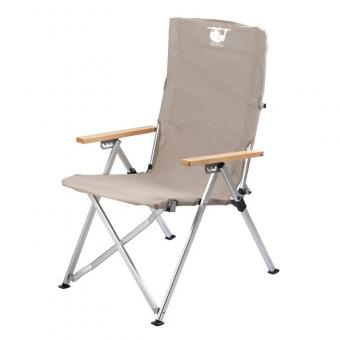
Merke : ANHUI FEISTEL-FABRIKKEN Relatert produksjon : OEM og ODM Produkt : Denne sammenleggbare campingstolen med aluminiumsramme for utendørs bruk har justerbar ryggstøtte, et lett, men solid design, og tilbyr bærbar komfort for camping, strandturer, piknik og avslapning utendørs.
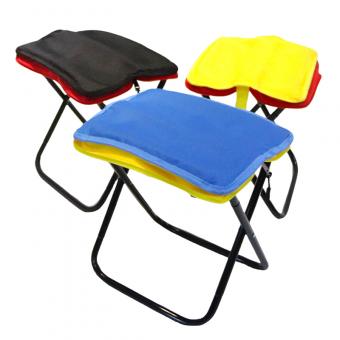
Merke : ANHUI FEISTEL-FABRIKKEN Relatert produksjon : OEM og ODM Produkt : Minikrakken for turgåing kombinerer et slitesterkt, sammenleggbart design i Oxford-stoff med en kreativ lomme til penal, noe som gir bærbarhet, komfort og praktisk funksjonalitet for camping og utendørseventyr.
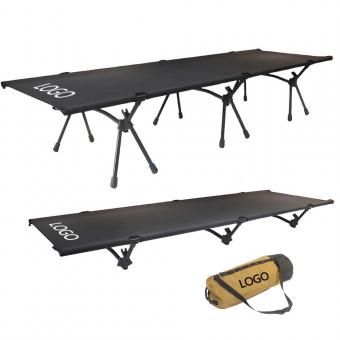
Merke : ANHUI FEISTEL-FABRIKKEN Relatert produksjon : OEM og ODM Produkt : Reisesengen for turutstyr i engros er en sammenleggbar campingseng med justerbar høyde som gir solid støtte, enkel bærbarhet og komfortabel hvile for utendørseventyr.
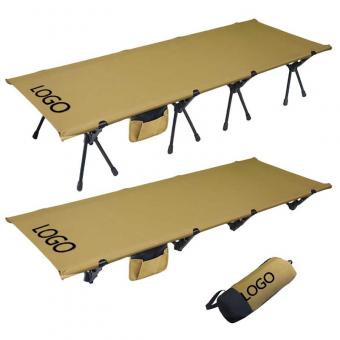
Merke : ANHUI FEISTEL FACTORY Relatert produksjon : OEM & ODM Produkt : En utendørs ultralett enkel kompakt bærbar sammenleggbar campingseng ideell for backpacking, med en slitesterk ramme, enkelt oppsett og en praktisk bæreveske for reiser.
LA OSS HOLDE KONTAKT :