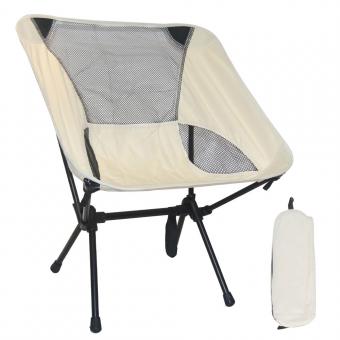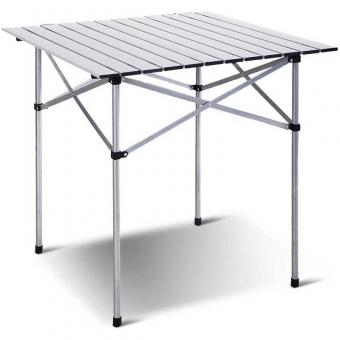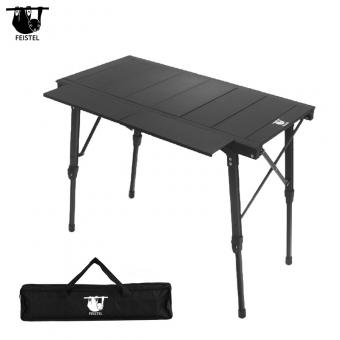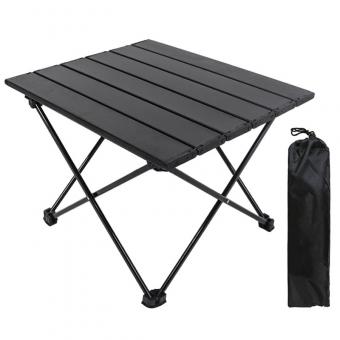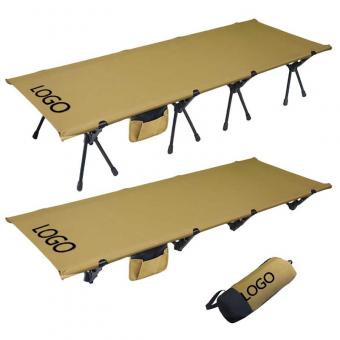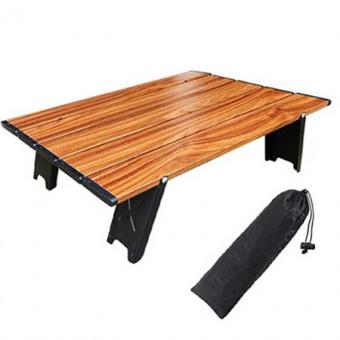
Merke : ANHUI FEISTEL FACTORY Relatert produksjon : OEM & ODM Produkt : Et lett, lite, sammenleggbart piknikbord perfekt for utendørsaktiviteter. Laget av slitesterke materialer, er den bærbar, enkel å sette opp.
neil velkommen til vår nettside!
lære mer
Det amerikanske markedet for friluftsliv er svært konkurransepreget. Fra sandstrendene i Florida til de steinete kystlinjene i Maine har amerikanske forbrukere uendelige valgmuligheter når det gjelder strandutstyr. Så hvordan skiller merkevaren din seg ut?
Svaret ligger i strategisk produktdifferensiering. For strandsenger i aluminium – en kategori som vokser raskt blant campere, strandgjester og friluftsentusiaster – er tilpasset merkevarebygging gjennom logoplassering og fargevalg ikke lenger en luksus. Det er en nødvendighet.
Denne veiledningen tar deg gjennom alt du trenger å vite om merkevarebygging av strandsengen din i aluminium for det amerikanske markedet, fra å forstå tilpasningsmuligheter til å navigere i leverandørkrav og unngå vanlige fallgruver.
Den amerikanske forbrukeren forventer mer enn bare generiske produkter. De ønsker utstyr som gjenspeiler deres personlighet, livsstil og – i økende grad – verdier. For merker som selger strandsenger i aluminium, tilbyr tilpasning tre klare fordeler:
En tilpasset logo på din strandseng forvandler en vare til et merkevareressurs. Hver gang en kunde setter opp barnesengen din på stranden eller campingplassen, får logoen din eksponering. Denne passive markedsføringen bygger merkevaregjenkjenning over tid, og gjør kunder til merkevareambassadører.
Tilpassede produkter har høyere priser. Når forbrukere ser en merkevarebasert, gjennomtenkt designet strandseng – komplett med koordinerte farger og synlig logoplassering – oppfatter de høyere verdi. Denne oppfatningen rettferdiggjør premiumpriser og beskytter marginene dine.
Merkevarer skaper emosjonelle forbindelser. Når kunder investerer i utstyr som føles unikt – enten det er gjennom fargevalg eller logoens synlighet – utvikler de lojalitet til merkevaren din. Denne lojaliteten fører til gjentatte kjøp og jungeltelegrafen.
Før du går i gang med tilpasning, er det viktig å forstå produktets kjernespesifikasjoner. Disse egenskapene definerer kvalitet og informerer dine tilpasningsbeslutninger.
Rammen er ryggraden i enhver strandseng. For det amerikanske markedet har rammer i aluminiumslegering blitt gullstandarden – og med god grunn.
Rammer i aluminiumslegering tilbyr en overbevisende kombinasjon av lett, bærbar og strukturell styrke. En godt konstruert strandseng i aluminium veier vanligvis rundt 3,2 kg (7 pund) samtidig som den støtter opptil 150 kg (330 pund) av brukervekt Dette styrke-til-vekt-forholdet er omtrent 30 % bedre enn tradisjonelle stålrammesenger , noe som gjør aluminium til det klare valget for amerikanske forbrukere som er bevisste på bærbarhet .
For premiumposisjonering, vurder å oppgradere til 6061-T6 aluminiumslegering eller til og med aluminium-titan-kompositter. Disse avanserte materialene tilbyr forbedret korrosjonsbestandighet – kritisk for strandmiljøer der saltspray kan skade mindre metaller – samtidig som de opprettholder lette egenskaper. .
Soveflaten er like viktig som rammen. De fleste strandsenger av aluminium av høy kvalitet bruker 210D Oxford-polyester med vannavstøtende belegg Dette stoffvalget balanserer slitestyrke (210D gir utmerket rivestyrke) med pusteevne for komfort i varme forhold.
For merker som retter seg mot premiumsegmenter, bør du vurdere tekstiloppgraderinger:
600D Oxford Tyngre, men mer holdbar, ideell for utleieflåter eller scenarier med høy bruk
Ripstop-vev Forsterket rutenettmønster forhindrer spredning av rift
UV-bestandig belegg Viktig for strandprodukter som utsettes for konstant soleksponering
Amerikanske forbrukere verdsetter bekvemmelighet. Strandsengen din i aluminium bør levere:
Spesifikasjon
Typisk rekkevidde
Hvorfor det er viktig
Montert størrelse
190 × 65 × 35 cm
Tilpasser seg gjennomsnittlig høyde for voksne i USA
Brettet størrelse
70 × 25 cm eller mindre
Passer i bagasjerom og oppbevaringsskap i bilen
Pakket vekt
2,5–3,5 kg
Lett å bære fra bilen til stranden
Oppsettstid
Under 2 minutter
Reduserer friksjon for spontan bruk
Premiummodeller kan oppnå sammenfoldede størrelser så kompakte som 60×20 cm og vekter så lave som 2,5 kg gjennom avansert ingeniørkunst og militærkvalitetsmaterialer .
Logotilpasning er ikke en løsning som passer for alle. Avhengig av budsjett, bestillingsmengde og kvalitetsforventninger, har du flere alternativer.
Silketrykk påfører blekk direkte på stoffoverflaten gjennom en nettingsjablong. Denne metoden er kostnadseffektiv for større mengder og produserer livlige, ugjennomsiktige farger.
Best for Høykontrastlogoer på lyse stoffer
Varighet Moderat – kan falme ved gjentatt vask
Koste Lav til moderat
Varmeoverføring innebærer å skjære logoformer fra farget vinyl og varmepresse dem på stoffet. Denne metoden fungerer bra for detaljerte design med flere farger.
MOQ Lavere enn silketrykk (50–100 stk.)
Best for Små partier, flerfargede design
Varighet Bra – vinyl motstår falming
Koste : Moderat
En vevd etikett sys inn i stoffet, noe som skaper et slitesterkt og profesjonelt utseende merkevaremerke. Denne tilnærmingen fungerer bra for førsteklasses posisjonering.
MOQ : 500–1000 stykker (etikettspesifikk)
Best for Førsteklasses merkevarebygging, konsistent på tvers av flere produkter
Varighet Utmerket – etiketter varer lenger enn produktet
Koste Høyere enn utskriftsmetoder
For virkelig eksklusive bruksområder syr broderi logoen din direkte inn i stoffet. Dette skaper et teksturert, eksklusivt utseende som signaliserer kvalitet.
MOQ : 200–500 stykker
Best for Luksuriøs plassering, tykke stoffer
Varighet Utmerket – praktisk talt permanent
Koste Høyeste alternativ
De fleste leverandører av strandsenger i aluminium tilbyr tilpasning av logoer fra 100 stykker For mindre merker som tester markedet, tilbyr noen produsenter prøvebestillinger med grunnleggende logopåføring til litt høyere enhetskostnader. Bekreft alltid MOQ-kravene før du forplikter deg til produksjon.
Fargetilpasning går utover logoen din. Mange leverandører tilbyr komplette stofffargealternativer, slik at du kan skape en helhetlig merkeestetikk.
De fleste leverandører har et bibliotek med standard stofffarger, vanligvis inkludert:
Nøytrale toner Svart, grå, marineblå, khaki, olivengrønn
Lyse alternativer Rød, blå, gul, oransje
Pastellfarger Lyseblå, rosa, mintgrønn (stadig mer populært for strandprodukter)
For merker med spesifikke fargekrav sikrer Pantone-matching fargekonsistens på tvers av produksjonsserier. De fleste leverandører kan matche Pantone-farger med Minimumsbestillinger på 200–500 stk. og ekstra etableringsgebyrer.
Hva du bør gi leverandøren din:
Pantone-fargenummer (f.eks. PMS 186 C for en spesifikk rødfarge)
Fargeprøver eller fysiske referanser
Forventede toleranser (noe variasjon er normalt på tvers av stoffpartier)
Utover ensfargede farger, bør du vurdere:
Tofarget design Ulike farger for ramme og stoff, eller kontrasterende lister
Stripete mønstre Populær for strandprodukter, og skaper en klassisk estetikk
Tilpassede utskrifter Helstofftrykk for unike mønstre (høyere MOQ og kostnader)
Start med å forberede:
Logofiler i vektorformat (AI, EPS eller PDF)
Pantone-farger for logo og stoff
Ønsket logoplassering (midt på stoffet, hjørnet eller nakkestøtteområdet)
Målbestillingsmengde
Profftips Be om en virtuell mockup før prøvetaking. Mange leverandører kan generere digitale gjengivelser som viser logoen og fargene dine på produktet, noe som muliggjør justeringer før fysisk prøvetaking.
Fysiske prøver bekrefter:
Fargenøyaktighet (stoff og trykk)
Logostørrelse og plassering
Trykkholdbarhet (ripetest)
Generell produktkvalitet
Prøvekostnadene varierer vanligvis fra 50–150 dollar , ofte refunderbar mot din første bulkbestilling. Eksempel på leveringstid: 10–15 dager for tilpassede farger og logoer .
Hva du bør sjekke på prøven din:
Samsvarer logofargen med Pantone-spesifikasjonene dine?
Er logoen plassert riktig og sentrert?
Tåler trykket riper?
Samsvarer stofffargen med forventningene under ulike lysforhold?
Etter godkjenning av prøven starter produksjonen. For bestillinger under 500 stk. varierer leveringstiden vanligvis fra 2–4 uker .
Kvalitetskontrollpunkter for å verifisere:
Tilfeldig inspeksjon av logoapplikasjon
Fargekonsistens på tvers av alle enheter
Ramme- og stoffkvalitet
Emballasjenøyaktighet
Tilpassede produkter krever samme frakthensyn som standardbestillinger:
Ekspressfrakt (DHL/FedEx/UPS): 3–7 dager for små bestillinger som haster
Flyfrakt 7–14 dager for mellomstore bestillinger
Sjøfrakt : 4–6 uker for fulle containerlaster
For merkevarer, vurder detaljhandelsklar emballasje – spesialtilpassede plastposer, hengelapper eller trykte esker som forsterker merkeidentiteten din på salgsstedet.
Tilpasning øker kostnadene. Å forstå komponentene hjelper deg med å budsjettere effektivt:
|
Tilpasningstype
|
Typisk tilleggskostnad
|
MOQ-krav
|
|
Silketrykket logo
|
0,50–1,50 dollar per enhet
|
100–200 stykker
|
|
Varmeoverføringslogo
|
1,00–2,00 dollar per enhet
|
50–100 stykker
|
|
Vevd etikett
|
0,75–1,50 dollar per enhet + oppsett
|
500–1000 stykker
|
|
Ensfarget fargeendring
|
0,50–1,00 dollar per enhet
|
200–500 stykker
|
|
Pantone-matching
|
Oppsettgebyr på 50–100 dollar
|
200+ stykker
|
|
Tofarget design
|
1,00–2,00 dollar per enhet
|
300–500 stykker
|
Kostnadsbesparende strategier:
Kombiner flere tilpasninger i én bestilling
Start med standardfarger og legg kun til logo
Forhandle frem forbedrede priser med gjentatte bestillinger
Vurder høyere MOQ for lavere enhetskostnader
Strand- og campingsesongen i USA går fra mai til september. Slik gjør du dette:
Legg inn bestillinger innen januar–februar for levering i mars/april
Bestill vareprøver i 4. kvartal å ferdigstille design før produksjon
Bygg inn buffertid for tollklarering (2–3 uker)
Amerikanske kjøpere prioriterer:
UV-beskyttelse Se etter UPF-klassifiserte stoffer
Enkel rengjøring Maskinvaskbare materialer foretrukket
Kompakt oppbevaring Liten, sammenbrettet størrelse for leiligheter og bobiler
Varighet Produkter som overlever flere sesonger
Sørg for at strandsengen din i aluminium oppfyller amerikanske standarder:
ASTM-sertifisering for sikkerhet og ytelse
Blyfri og ftalatfri materialer (CPSIA-samsvar)
Advarsel om forslag 65 hvis nødvendig for salg i California
Feil 1: Ignorerer MOQ-krav
Noen leverandører oppgir lave MOQ-er, men øker kravene til tilpasning. Bekreft alltid både produkt- og tilpasnings-MOQ-er før du fortsetter.
Feil 2: Hoppe over fysiske prøver
Digitale mockups kan ikke vise stofftekstur, fargenøyaktighet eller trykkholdbarhet. Bestill alltid fysiske prøver før bulkproduksjon.
Feil 3: Overser emballasje
Produktets emballasje er en del av merkeopplevelsen. Tilpasset emballasje – selv enkle plastposer med logoen din – øker den oppfattede verdien.
Feil 4: Inkonsekvente fargespesifikasjoner
Oppgi Pantone-nummer for både logo og stoff. «Marineblå» betyr ulikt for ulike leverandører.
Tilpassede logoer og fargevalg forvandler generiske strandsenger i aluminium til merkevareressurser som bygger gjenkjennelse, rettferdiggjør premiumpriser og skaper kundelojalitet. For merkevarer som retter seg mot det amerikanske markedet, er tilpasning forskjellen mellom å konkurrere på pris og å konkurrere på verdi.
Ved å forstå produktspesifikasjonene dine – rammer i aluminiumslegering , 210D Oxford-stoff , 150 kg vektkapasitet – og ved å samarbeide med leverandører som tilbyr transparente MOQ-er og kvalitetsprøveprosesser, kan du bringe en merkevarestrandseng i aluminium til markedet som skiller seg ut på overfylte amerikanske kyster. .
Den amerikanske forbrukeren venter. Merket ditt – fargene dine, logoen din, kvaliteten din – fortjener å bli sett.
Spørsmål: Hva er den typiske MOQ-en for tilpasset logo på en strandseng i aluminium?
A: De fleste leverandører tilbyr tilpasning av logoer fra
100 stykker
for silketrykk eller varmeoverføring
.
Spørsmål: Kan jeg bestille en prøve med logoen min før bulkproduksjon?
A: Ja. Anerkjente leverandører tilbyr eksempelprogrammer med tilpasset logo. Leveringstid for prøver:
10–15 dager
, med kostnader vanligvis
50–150 dollar
(ofte refunderbart)
.
Spørsmål: Hva er forskjellen mellom 210D og 600D Oxford-stoff?
EN:
210D
er lettere og mer fleksibel, ideell for bærbare produkter.
600D
er tyngre og mer slitesterkt, bedre for hard bruk. Begge tilbyr vannavstøtende egenskaper
.
Q: Hvor lang tid tar produksjonen av en spesialtilpasset strandseng i aluminium?
A: Etter godkjenning av prøven tar produksjonen vanligvis
2–4 uker
for bestillinger under 500 stk
.
Q: Hvilken vektkapasitet bør jeg forvente av en strandseng av høy kvalitet i aluminium?
A: Standard støtte for strandsenger i aluminium
120–150 kg (265–330 lbs)
Premiummodeller med forsterkede rammer tåler opptil
200 kg
.
kategorier
ny blogg
Merke : ANHUI FEISTEL FACTORY Relatert produksjon : OEM & ODM Produkt : Et lett, lite, sammenleggbart piknikbord perfekt for utendørsaktiviteter. Laget av slitesterke materialer, er den bærbar, enkel å sette opp.
Merke : ANHUI FEISTEL-FABRIKKEN Relatert produksjon : OEM og ODM Produkt : Den spesialtilpassede, lette, sammenleggbare månestolen i metall og jern tilbyr slitesterk støtte og komfort, ideell for utendørs camping, med et kompakt, bærbart design for enkel transport og oppbevaring.
Merke : ANHUI FEISTEL FACTORY Relatert produksjon : OEM & ODM Produkt : Utendørs bærbart sammenleggbart Roll Up piknikbord: Lett, slitesterk aluminiumsdesign med justerbar høyde, enkelt oppsett og kompakt bæreveske for camping, piknik og utendørsaktiviteter.
Merke : ANHUI FEISTEL FACTORY Relatert produksjon : OEM & ODM Produkt : Et allsidig, bærbart IGT BBQ campingbord med justerbare høydeben. Ideell for utendørs matlaging, camping og piknik. Lett og sammenleggbar for enkel transport.
Merke : ANHUI FEISTEL FACTORY Relatert produksjon : OEM & ODM Produkt : Kompakt og lett sammenleggbart aluminiumsbord, perfekt for camping, strand eller utendørsaktiviteter. Lett å bære, solid og ideell for oppbevaring av mat og drikke.
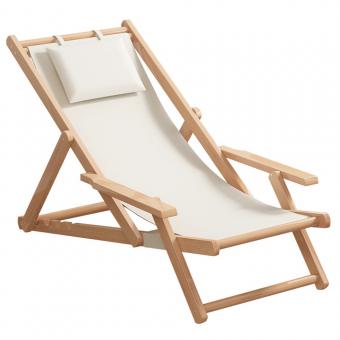
Merke : ANHUI FEISTEL-FABRIKKEN Relatert produksjon : OEM og ODM Produkt : Denne sammenleggbare lenestolen i tre for camping har en solid ramme, ergonomisk tilbakelent design og kompakt sammenleggbar struktur – perfekt for avslapning på stranden, campingplassen eller i hagen.
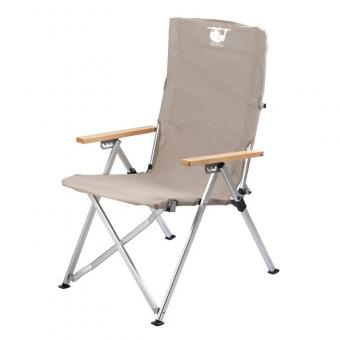
Merke : ANHUI FEISTEL-FABRIKKEN Relatert produksjon : OEM og ODM Produkt : Denne sammenleggbare campingstolen med aluminiumsramme for utendørs bruk har justerbar ryggstøtte, et lett, men solid design, og tilbyr bærbar komfort for camping, strandturer, piknik og avslapning utendørs.
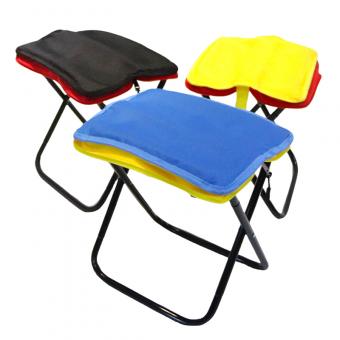
Merke : ANHUI FEISTEL-FABRIKKEN Relatert produksjon : OEM og ODM Produkt : Minikrakken for turgåing kombinerer et slitesterkt, sammenleggbart design i Oxford-stoff med en kreativ lomme til penal, noe som gir bærbarhet, komfort og praktisk funksjonalitet for camping og utendørseventyr.
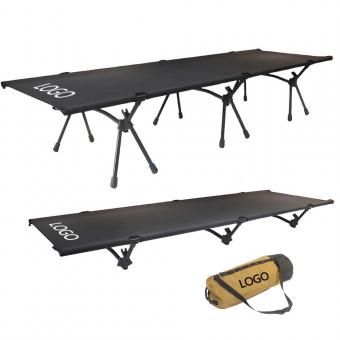
Merke : ANHUI FEISTEL-FABRIKKEN Relatert produksjon : OEM og ODM Produkt : Reisesengen for turutstyr i engros er en sammenleggbar campingseng med justerbar høyde som gir solid støtte, enkel bærbarhet og komfortabel hvile for utendørseventyr.
Merke : ANHUI FEISTEL FACTORY Relatert produksjon : OEM & ODM Produkt : En utendørs ultralett enkel kompakt bærbar sammenleggbar campingseng ideell for backpacking, med en slitesterk ramme, enkelt oppsett og en praktisk bæreveske for reiser.
LA OSS HOLDE KONTAKT :