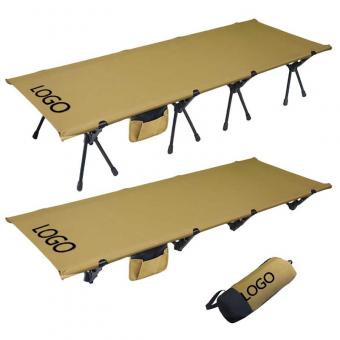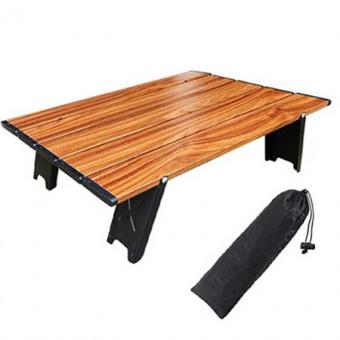
Merke : ANHUI FEISTEL FACTORY Relatert produksjon : OEM & ODM Produkt : Et lett, lite, sammenleggbart piknikbord perfekt for utendørsaktiviteter. Laget av slitesterke materialer, er den bærbar, enkel å sette opp.
neil velkommen til vår nettside!
lære merNår du velger trekkingstaver, er de fleste turgåere opptatt av skaftmaterialer – 7075-aluminium versus karbonfiber – mens de overser det som sannsynligvis er den mest kritiske komponenten:håndtaket. I løpet av en typisk dag på tur gjør hendene dine tusenvis av små justeringer av stavene, og overfører kraft gjennom håndtakene ved hvert stavisett. Riktig håndtaksmateriale minimerer ubehag, forebygger gnagsår og maksimerer effektiv kraftoverføring.
Tre materialer dominerer markedet:kork versus EVA-skum, oggummi. Hvert materiale har tydelige fordeler og ulemper når det gjelder fukthåndtering, varmeledning, vibrasjonsdemping, slitestyrke og vekt. Her er alt du trenger å vite for å velge riktig håndtak for din turstil.
Korkhåndtak består av granuler høstet fra korkeiktrær, vanligvis bundet sammen med syntetiske polymerer for å lage et slitesterkt komposittmateriale. Denne bærekraftige metoden bruker bark som regenereres etter høsting, noe som gjør det til et miljøvennlig valg.
Utmerket fukthåndtering. Kork transporterer naturlig bort svette samtidig som det beholder friksjonen når det er fuktig. I motsetning til syntetiske materialer som blir glatte når de er våte, føles kork trygt under svette oppstigninger. Materialets mikrocellestruktur trekker fuktighet bort fra huden din og lar den fordampe. Som en anmelder sa det, korkhåndtak «gjør ikke hendene dine svette under varme forhold».
Tilpasningsevne. Gjennom gjentatt bruk og eksponering for kroppsvarme tilpasser korken seg gradvis til håndformen din og skaper en personlig passform som minimerer trykkpunkter. En detaljert anmeldelse bemerker at korkhåndtak «kan gnage litt i starten, [men] former seg gradvis etter hendene dine». Jo mer du bruker dem, desto mer komfortable blir de.
Temperaturregulering. Kork har lav varmeledningsevne og holder seg behagelig nøytral å ta på ved store temperatursvingninger. Det føles verken iskaldt i kalde forhold eller ubehagelig varmt i direkte sollys.
Vibrasjonsdemping. Kork gir tilstrekkelig støtdemping for de fleste stiforhold og filtrerer effektivt bort høyfrekvente vibrasjoner fra ulendt terreng. Det gir moderat reduksjon av vibrasjoner – omtrent halvveis mellom skum og plast.
Variabel slitestyrke.Korkkvaliteten påvirker levetiden betydelig. Førsteklasses håndtak med høyt korkinnhold motstår nedbrytning, mens rimelige alternativer med for mye bindemiddel kan smuldre opp over tid. Kork er et naturlig, biologisk nedbrytbart materiale som til slutt vil brytes ned.
Vekt. Kork er alltid tyngre enn EVA-skum. En produsent bemerker at selv om de er identiske på alle måter bortsett fra grepene, veier EVA-staver 7 oz per stav, mens korkstaver veier 9,5 oz per stav.
Innkjøringsperiode. I motsetning til alternativer som gir umiddelbar komfort, krever kork litt tid til å tilpasse seg før den oppnår sin optimale tilpassede form.
Vedlikehold. Kork har godt av sporadisk rengjøring med såpe og vann for å forhindre opphopning av olje og smuss.
Varme og fuktige forhold der svettehåndtering er avgjørende
Langdistansevandrere som verdsetter personlig komfort over tid
Fotturer med bare hender i varmt vær
EVA (etylen-vinylacetat) er et lukket-cellet polymerskum kjent for sine lette egenskaper og fremragende støtdempingsevne. Dette syntetiske materialet har blitt svært populært i friluftsbransjen.
Overlegen støtdemping. EVA-skum er den ubestridte mesteren når det gjelder støtdemping og myk komfort. Materialets lukkede cellestruktur inneholder tusenvis av små luftbobler som komprimeres under trykk og reduserer støtkrefter med opptil 30 % sammenlignet med gummi. Dette gjør EVA til det foretrukne materialet for bruksområder som krever langvarig kontakt med harde overflater.
Lav vekt. EVA er lettere enn kork, mindre slitende og mye billigere å produsere. For ultralette ryggsekkturister som teller hvert gram, har denne vektforskjellen betydning.
Umiddelbar komfort. EVA gir umiddelbar komfort rett ut av esken – ingen innkjøringsperiode er nødvendig. Skumgrep er "myke å holde i, rimelige og lette".
Rask tørking. Skum ser ut til å tørke raskere enn kork.
Varme i kulde.Skum og kork er begge mye varmere i kulden sammenlignet med gummi. EVA sin lukkede cellestruktur gir varmeisolasjon.
Fuktabsorpsjon.Skumgrep er "myke og komfortable, men de har også større sannsynlighet for å absorbere fuktighet og svette". Mens EVA-skum tilbyr "overlegen svettehåndtering," forsegler det fuktigheten på overflaten i stedet for å lede den bort slik kork gjør.
Holdbarhetsproblemer.Materialets mykhet gjør det utsatt for slitasjeskader fra komprimering av utstyr i sekker. Selv om formuleringer med høy tetthet forbedrer levetiden, viser EVA vanligvis slitasje raskere enn gummi eller kork. EVA-skum av lavere kvalitet kan utvikle permanente fordypninger over tid, spesielt der fingrene utøver jevnt trykk.
Begrensninger med tekstur.Den glatte overflaten til EVA gir mindre aggressiv tekstur enn gummi, noe som kan være en vurdering i teknisk terreng som krever maksimal sikkerhet.
Komfortfokuserte turgåere, personer med leddgikt eller problemer med håndtretthet
Ultralette ryggsekkturister som prioriterer minimal vekt
Prisbevisste kjøpere
Vintereventyrere som trenger varmeisolasjon
Spesialister på kryssing av vann som ofte håndterer våte forhold
Gummi er det klassiske valget for bruksområder som krever overlegent grep og slitestyrke. Tilgjengelig i både naturlige (utvunnet fra lateks) og syntetiske varianter, balanserer gummiblandinger vanligvis fleksibilitet med slitestyrke.
Maksimal holdbarhet.Gummi varer generelt lenger enn både kork og EVA når det gjelder slitestyrke, og beholder sin strukturelle integritet gjennom mange år med hard bruk. Materialet forblir elastisk over et bredt temperaturområde og opprettholder grepet på våte eller tørre overflater.
Sikkerhet i all slags vær.Gummi gir maksimalt grep under alle forhold. Det gir jevn ytelse gjennom lagringsperioder. Vinterstaver bruker nesten universelt gummigrep.
Utmerket støtdemping.Gummigrep er utmerkede for støtdemping. Gummierte grep gir støtabsorpsjon og temperaturkontroll.
Blemmer på bare hender.Gummi er hardt og absorberer ikke fuktighet, noe som kan forårsake friksjon og blemmer på bare henderDette spiller ingen rolle hvis du bruker hansker, men for fotturer i varmt vær er det en betydelig bekymring.
Kaldt om vinteren, varmt om sommeren.Gummi leder temperatur lett, og føles kaldt om vinteren og varmt i direkte sollys.
Tyngre.Gummigrep legger til mer vekt enn alternativer i skum eller kork.
Vinter- og høyfjellsturer
Fotturer med hansker (der fuktighetsabsorpsjon er irrelevant)
Teknisk terreng som krever maksimal sikkerhet
Brukere som prioriterer holdbarhet over alt annet
All slags vær der jevnt grep er avgjørende
Egenskap
Kork
EVA-skum
Gummi
Fuktighetshåndtering
★★★★★ (leder bort svette)
★★★ (absorberer, tørker saktere)
★★ (absorberer ikke)
Demping
★★★
★★★★★
★★★★
Holdbarhet
★★★ (varierer etter kvalitet)
★★★
★★★★★
Vekt
★★★ (tyngst)
★★★★★ (lettest)
★★★
Tilpasset passform
★★★★★ (former seg etter hånden)
★★
★
Ytelse i kaldt vær
★★★★
★★★★★
★★
Ytelse i varmt vær
★★★★★
★★★
★★
Pris
★★ (dyrest)
★★★★★ (billigst)
★★★
Innkjøring nødvendig
Ja
Nei
Nei
Mange førsteklasses trekkingstaver har nå hybride grepsdesign som kombinerer materialer. Black Diamond's Trail Cork-staver bruker for eksempel et grep i 100 % naturlig kork med en forlengelse av EVA-skumgrep for lavere grep på bratte stigninger. Denne konfigurasjonen gir deg den fukttransporterende komforten fra kork der hånden naturlig hviler, samt den lette dempingen fra skum når du trenger å holde lenger ned på staven under hårnålssvinger.
Flere produsenter lager nå grep med kork kombinert med forlengelser av EVA-skum, noe som gir allsidighet i variert terreng.
Velg kork hvis: Du går tur i varme, svette forhold og ønsker et grep som blir bedre med bruk, tilpasser seg hånden din og håndterer fuktighet naturlig. Den høye prisen er verdt det for seriøse turgåere som tilbringer lange dager på stien.
Velg EVA-skum hvis: Du prioriterer lav vekt, umiddelbar komfort og en rimelig pris. Skumgrep er ideelle for ultralette ryggsekkturister og komfortorienterte turgåere som ikke har noe imot noe redusert holdbarhet.
Velg gummi hvis: Du går på tur under vinterforhold, bruker hansker eller tar deg gjennom teknisk terreng der maksimal friksjon og holdbarhet er ufravikelige krav.
Som en erfaren turgåer oppsummerte det:«Jeg foretrekker kork fremfor skum, men skum ser ut til å tørke raskere, er billigere og mer slitesterkt. Begge er gode og handler mer om personlig preferanse»Det «riktige» grepet avhenger til syvende og sist av hvor du går på tur, når du går på tur, og hva som betyr mest for deg.
kategorier
ny blogg
Merke : ANHUI FEISTEL FACTORY Relatert produksjon : OEM & ODM Produkt : Et lett, lite, sammenleggbart piknikbord perfekt for utendørsaktiviteter. Laget av slitesterke materialer, er den bærbar, enkel å sette opp.
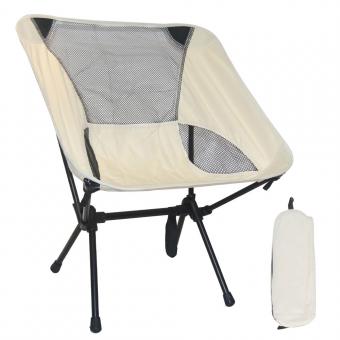
Merke : ANHUI FEISTEL-FABRIKKEN Relatert produksjon : OEM og ODM Produkt : Den spesialtilpassede, lette, sammenleggbare månestolen i metall og jern tilbyr slitesterk støtte og komfort, ideell for utendørs camping, med et kompakt, bærbart design for enkel transport og oppbevaring.
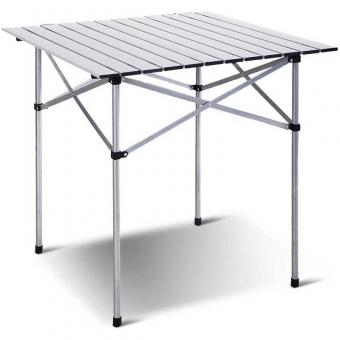
Merke : ANHUI FEISTEL FACTORY Relatert produksjon : OEM & ODM Produkt : Utendørs bærbart sammenleggbart Roll Up piknikbord: Lett, slitesterk aluminiumsdesign med justerbar høyde, enkelt oppsett og kompakt bæreveske for camping, piknik og utendørsaktiviteter.
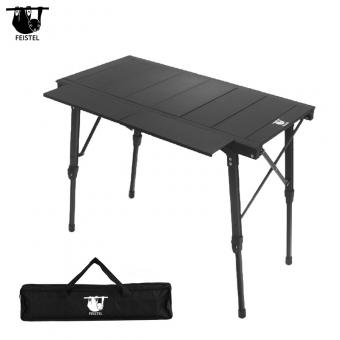
Merke : ANHUI FEISTEL FACTORY Relatert produksjon : OEM & ODM Produkt : Et allsidig, bærbart IGT BBQ campingbord med justerbare høydeben. Ideell for utendørs matlaging, camping og piknik. Lett og sammenleggbar for enkel transport.
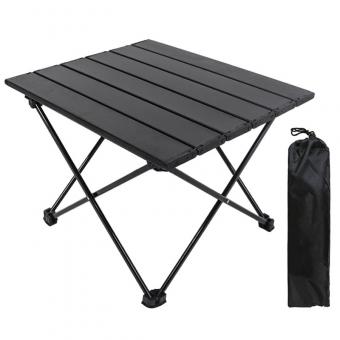
Merke : ANHUI FEISTEL FACTORY Relatert produksjon : OEM & ODM Produkt : Kompakt og lett sammenleggbart aluminiumsbord, perfekt for camping, strand eller utendørsaktiviteter. Lett å bære, solid og ideell for oppbevaring av mat og drikke.
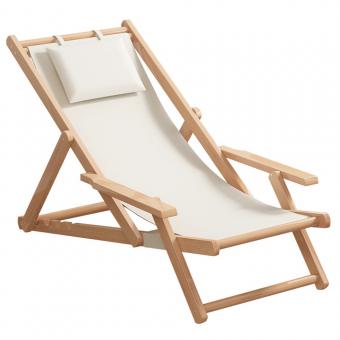
Merke : ANHUI FEISTEL-FABRIKKEN Relatert produksjon : OEM og ODM Produkt : Denne sammenleggbare lenestolen i tre for camping har en solid ramme, ergonomisk tilbakelent design og kompakt sammenleggbar struktur – perfekt for avslapning på stranden, campingplassen eller i hagen.
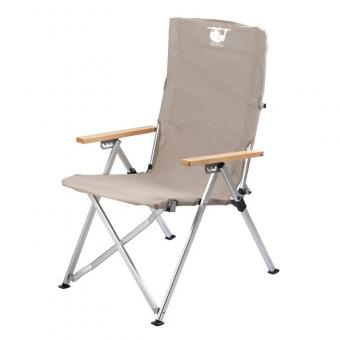
Merke : ANHUI FEISTEL-FABRIKKEN Relatert produksjon : OEM og ODM Produkt : Denne sammenleggbare campingstolen med aluminiumsramme for utendørs bruk har justerbar ryggstøtte, et lett, men solid design, og tilbyr bærbar komfort for camping, strandturer, piknik og avslapning utendørs.
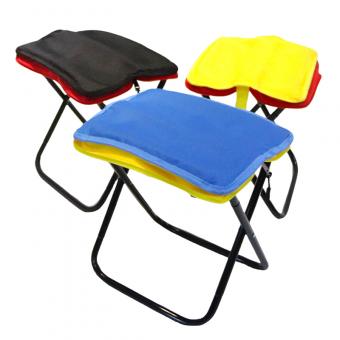
Merke : ANHUI FEISTEL-FABRIKKEN Relatert produksjon : OEM og ODM Produkt : Minikrakken for turgåing kombinerer et slitesterkt, sammenleggbart design i Oxford-stoff med en kreativ lomme til penal, noe som gir bærbarhet, komfort og praktisk funksjonalitet for camping og utendørseventyr.
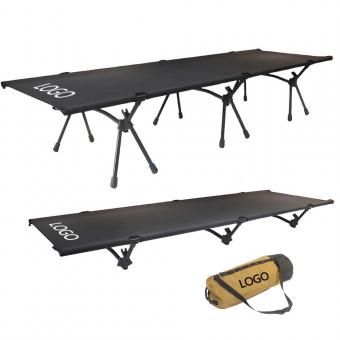
Merke : ANHUI FEISTEL-FABRIKKEN Relatert produksjon : OEM og ODM Produkt : Reisesengen for turutstyr i engros er en sammenleggbar campingseng med justerbar høyde som gir solid støtte, enkel bærbarhet og komfortabel hvile for utendørseventyr.
Merke : ANHUI FEISTEL FACTORY Relatert produksjon : OEM & ODM Produkt : En utendørs ultralett enkel kompakt bærbar sammenleggbar campingseng ideell for backpacking, med en slitesterk ramme, enkelt oppsett og en praktisk bæreveske for reiser.
LA OSS HOLDE KONTAKT :