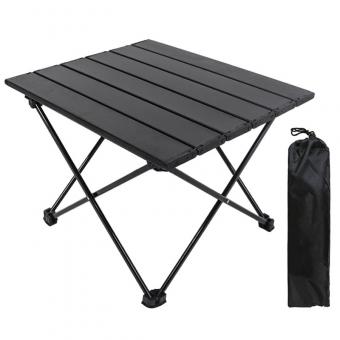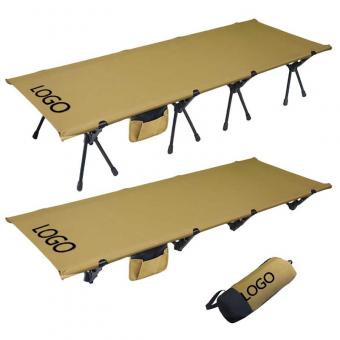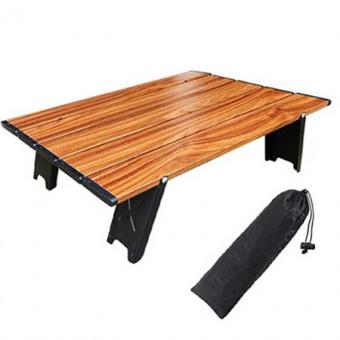
Merke : ANHUI FEISTEL FACTORY Relatert produksjon : OEM & ODM Produkt : Et lett, lite, sammenleggbart piknikbord perfekt for utendørsaktiviteter. Laget av slitesterke materialer, er den bærbar, enkel å sette opp.
neil velkommen til vår nettside!
lære mer
Turstaver er uvurderlige verktøy for turgåere, de gir stabilitet, reduserer leddbelastning og forbedrer utholdenhet på lange stier. Men hva med tilbehøret som sørger for at de fungerer optimalt – tupper, kurver, stropper og buffere? Når disse komponentene slites ut eller trenger utskifting, står du overfor et valg: å holde deg til budsjettvennlige erstatninger eller investere i premiumalternativer fra merker som Leki, Black Diamond eller Komperdell.
Denne omfattende veiledningen undersøker om oppgradering til premium tilbehør til turstaver gir virkelig valuta for pengene, eller hvis budsjettalternativer er tilstrekkelige for de fleste turgåere.
Før vi dykker ned i debatten om budsjett kontra premium, er det verdt å forstå hva dette tilbehøret faktisk gjør. Tilbehør til turstaver inkluderer:
Tips Den forretningsenden som er i kontakt med bakken – vanligvis karbid eller stål
Kurver Sirkulære fester som hindrer stenger i å synke ned i mykt underlag, snø eller gjørme
Gummibuffere/puter Tilbehør for harde overflater som fortau som reduserer støy og beskytter tupper
Stropper Håndleddsløkker som overfører vekt effektivt og reduserer håndtretthet
Forlengere og adaptere Komponenter for spesialisert bruk som kamerafester eller teltoppsett
Dette tilbehøret påvirker direkte komforten, sikkerheten og levetiden til stavene dine. Det er viktig å velge med omhu.
Tuppen er uten tvil det viktigste tilbehøret – det er det som griper tak i stien under deg.
Budsjett-tipsalternativer ($ 5–$ 10 per par)
Vanlige reservetupper er vanligvis laget av herdet stål eller lavkvalitets karbidblandinger. De passer til universelle staver og gir tilstrekkelig grep på myke stier. De slites imidlertid raskere – brukere rapporterer at de må byttes etter 320–480 kilometer med fotturer i steinete terreng.
.
Premium-tuppalternativer ($ 12–$ 25 per par)
Premium-tuppene, som de fra Leki eller Black Diamond, bruker
wolframkarbid
– et materiale kjent for eksepsjonell hardhet og slitestyrke
Lekis Flex-tip HM har slitesterk karbid med et gjengesystem for snøkurver
Black Diamonds
tips for turstaver
er designet for å redusere arrdannelse i terrenget samtidig som de opprettholder grepet
.
Dommen Premium karbidspisser kan vare 3–5 ganger lenger enn rimelige stålalternativer. For hyppige turgåere betaler oppgraderingen seg selv inn i redusert utskiftingsfrekvens. Som en kilde bemerker, «karbidspisser (10–20 dollar i erstatning) varer lenger enn staver». .
Når turen din inkluderer deler av fortauet, beskytter gummibuffere både tuppene og stien.
Budsjettbuffere ($ 8–$ 15 per sett)
Generiske gummitupper fra merker som Atacama tilbyr grunnleggende demping og passer til de fleste standardstaver. En 10-pakning kan koste så lite som €11,90, noe som gjør dem økonomiske for sporadisk bruk.
.
Premium buffere ($ 15–$ 30 per sett)
Lekis Rubber Buffer Powergrip har en "høykvalitets gummiblanding og et stålinnlegg" for økt holdbarhet.
Leki Trekking Silent Spike Pad har fem interne pinner for sikkert grep på varierte overflater og tilbyr «omtrent fire ganger større» holdbarhet enn konvensjonelle pads.
.
Dommen For sporadiske fotturer på veien er budsjettvennlige buffere tilstrekkelige. For hyppige fotturer i blandet terreng der du stadig veksler mellom grus og asfalt, rettferdiggjør premiumbuffere med forsterket konstruksjon den høyere prisen.
Kurver hindrer stavene dine i å synke ned i myke overflater – viktig for vinterfotturer eller gjørmete vårstier.
Budsjettkurver ($ 5–$ 10 per par)
Universalkurver passer vanligvis til en rekke stavdiametre, men låses kanskje ikke ordentlig. De fungerer for lett snø eller sporadisk bruk av gjørme.
Premiumkurver ($ 12–$ 30 per par)
Lekis Big Mountain Basket har «større diameter og større overflateareal» for dype snøforhold
Dynafits Butterfly Basket 2.0 er spesielt utviklet for skibruk.
Disse premiumalternativene inkluderer sikre festesystemer (ofte gjenget) som ikke vil løsne midt i steget.
Dommen Hvis du går tur i ekte vinterforhold eller i dyp gjørme, er premiumkurver med sikkert feste og optimaliserte design verdt investeringen. For sporadisk bruk på mykt underlag fungerer budsjettalternativer.
Stropper overfører kroppsvekten din til stavene – en dårlig utformet stropp forårsaker håndtretthet og reduserer effektiviteten.
Budsjettstropper ($ 5–$ 15 per par)
Enkle nylonstropper med enkel justering. De fungerer, men kan grave seg fast i hendene under lange nedstigninger og absorbere svette, noe som kan bli ubehagelig over tid.
Premium-stropper ($ 25–$ 40 per par)
Lekis Trigger Shark-system representerer gullstandarden – kan betjenes med én hånd, trinnløst justerbart med borrelås og designet for «ideell kraftoverføring til stangen».
Polstret, ergonomisk design fordeler trykket jevnt over hånden.
Dommen For dagsturister er budsjettvennlige stropper tilstrekkelige. For langdistanse-backpackere eller alle med håndfølsomhet forbedrer premium-stroppesystemer komforten dramatisk. Som en ekspert bemerker, er korkgrep og kvalitetsstropper "ikke-forhandlingsbare ting verdt å betale for". .
Forskjellen mellom budsjett- og premiumtips kommer ned til materialvitenskap. Wolframkarbid —brukes i premiumtips—tilbud:
Eksepsjonell hardhet (HRA 90–93 på Rockwell-skalaen), som gir overlegen slitestyrke
Termisk stabilitet opptil 800 °C, og opprettholder integriteten under friksjon
Kantbevaring som varer betydelig lenger enn stålalternativer
I industrielle applikasjoner vil karbidverktøy "vare mye lenger før de blir sløve" sammenlignet med høyhastighetsstål Det samme prinsippet gjelder for tupper på turstaver – karbid starter skarpt og forblir skarpt.
Karbid er imidlertid mer sprø enn stål Dette forklarer hvorfor premiumtupper noen ganger koster mer – de er konstruert for å balansere hardhet med tilstrekkelig seighet for stiforhold.
Premium-tilbehør har overlegen konstruksjon:
Gjengede forbindelser (som Lekis Flex-tupp) gir sikkert feste som ikke svikter midt på turen
Interne pin-systemer (Leki Silent Spike) gir et grep som enkle slip-on-buffere mangler
Modulære design muliggjør bytte av komponenter uten å bytte ut alt tilbehør
Budsjetttilbehør bruker vanligvis enklere friksjonsdesign som kan løsne eller sprette av i ubeleilige øyeblikk.
Budsjetttilbehør leverer omtrent 80 % av den funksjonelle fordelen til 20–50 % av kostnaden For vanlige turgåere som besøker godt vedlikeholdte stier et par ganger i året, representerer dette utmerket valuta for pengene.
Premium-tilbehør rettferdiggjør kostnaden når:
Du dekker lange avstander der kumulativ komfort teller
Du takler teknisk terreng der utstyrsfeil har konsekvenser
Du går tur under varierte forhold krever flere typer tilbehør
Du har leddproblemer der vibrasjonsdemping og vektoverføring er viktig
Som en analyse bemerker, gir premiumutstyr «avtagende avkastning, men for de som tilbringer utallige dager på stien, er ikke denne raffinementen en luksus – det er en nødvendighet». .
Tenk på denne sammenligningen:
Budsjettkarbidspisser ($8–$12): Siste 300–500 mil
Premium karbidspisser ($15–$25): Varer over 1600 km med riktig stell
Over 3200 kilometer med fotturer kan du erstatte budsjett-tuppene 4–5 ganger (40–60 dollar totalt) mot premium-tuppene 1–2 ganger (30–50 dollar totalt). Premium-alternativet sparer faktisk penger samtidig som det gir bedre ytelse gjennom hele prosessen.
Hvor ofte går jeg tur?
Av og til (færre enn 10 turer/år): Budsjetttilbehør er tilstrekkelig
Hyppige (10+ turer/år): Vurder premie for viktige komponenter
Hvilket terreng skal jeg takle?
Godt vedlikeholdte stier: Budsjettet fungerer fint
Steinete, teknisk eller variabelt terreng: Invester i førsteklasses tupper og sikre kurver
Går jeg på fortau?
Sjelden: Vanlige gummibuffere er tilstrekkelige
Ofte: Premium buffere med stålinnsatser varer lenger
Har jeg problemer med hendene eller leddene?
Nei: Budsjettstropper fungerer
Ja: Premium polstrede stropper med ergonomisk design reduserer tretthet
Klarer jeg å håndtere vekten min for backpacking?
Ja: Hvert gram teller – premiumtilbehør veier ofte mindre
For de fleste turgåere er en hybrid tilnærming fornuftig:
Invester i premiumtips (karbid) og stropper (komfort)
Velg kurver i mellomklassen kompatibel med stavene dine
Kjøp rimelige gummibuffere for sporadisk gange på veien
Som en ekspert anbefaler, er prisklassen mellom 60 og 90 dollar for komplette stenger «den ideelle balansen». Det samme prinsippet gjelder for tilbehør – mellomklasse til premium for kritiske komponenter, budsjettvennlig for varer som brukes sporadisk.
Før du kjøper tilbehør, sjekk kompatibiliteten:
Merkespesifikke systemer Lekis Trigger Shark-stropper fungerer kun med Leki-stenger utstyrt med systemet.
Gjenget vs. friksjonspasning Noen premiumkurver bruker gjengede fester som kanskje ikke passer til universelle stenger
Spissdiameter Sørg for at reservetuppene matcher diameteren på stangen din.
Kurvbevaring Sjekk om stengene dine bruker innstikks- eller gjengede kurvsystemer
Black Diamonds spissbeskyttere spesifiserer for eksempel kompatibilitet «med BD Distance Series Z-stenger» – universell passform er ikke garantert.
Uansett hvilket tilbehør du velger, forlenger riktig vedlikehold levetiden:
Skyll etter salte eller gjørmete turer – salt akselererer korrosjon
Tørk grundig , spesielt rundt festepunkter
Inspiser regelmessig for slitasje – skift ut karbidspisser når spissen blir merkbart sløv
Oppbevar stenger uten utstrakte åpninger for å forhindre kompresjon av låsemekanismer
Skift ut slitte gummitupper årlig —eksponerte karbidspisser skader stier og reduserer grepet på harde overflater
Felttesting avslører de praktiske forskjellene:
Budsjetttilbehør på stenger til 35 dollar: «Feil med låsing under regn» og viste akselerert slitasje på spissen
Tilbehør i mellomklassen på stenger til 75 dollar: «Holdt i over 1900 kilometer med ett bytte av spiss»
Premium-tilbehør på stenger til 150 dollar: «Overlevde over 4 år med mishandling på Island/Alpene; 30 % lettere belastningsutmatting»
Mønsteret er tydelig: kvalitetstilbehør forlenger levetiden til stavene dine og forbedrer turopplevelsen.
Svaret avhenger helt av din turstil og dine prioriteringer.
For vanlige, sporadiske turgåere på godt vedlikeholdte stier Rimelig tilbehør til turstaver tilbyr utmerket valuta for pengene. De gir de viktigste funksjonene – beskyttelse mot tuppene, flyteevne i mykt underlag og grunnleggende komfort – til en brøkdel av prisen. Du får 80 % av ytelsen for 20–50 % av investeringen. .
For hyppige turgåere, langdistanse-backpackere og entusiaster av teknisk terreng Premiumtilbehør er absolutt verdt oppgraderingen. Overlegne materialer som wolframkarbid gir 3–5 ganger lengre levetid enn budsjettalternativer. Ergonomiske stroppesystemer reduserer håndtretthet over tusenvis av kilometer Sikre festemekanismer forhindrer feil midt i turen når du er langt unna startstedet for stien .
Det optimale for de fleste turgåere innebærer strategiske investeringer: førsteklasses karbidspisser og komfortable stropper, med kurver i mellomklassen og rimelige gummibuffere for sporadisk bruk. Denne tilnærmingen maksimerer ytelsen der det betyr mest, samtidig som kostnadene kontrolleres.
Husk: Turstavene dine er kontaktpunktene mellom deg og stien. Investering i kvalitetstilbehør sikrer at forbindelsen forblir pålitelig, komfortabel og trygg – kilometer etter kilometer, sesong etter sesong.
kategorier
ny blogg
Merke : ANHUI FEISTEL FACTORY Relatert produksjon : OEM & ODM Produkt : Et lett, lite, sammenleggbart piknikbord perfekt for utendørsaktiviteter. Laget av slitesterke materialer, er den bærbar, enkel å sette opp.
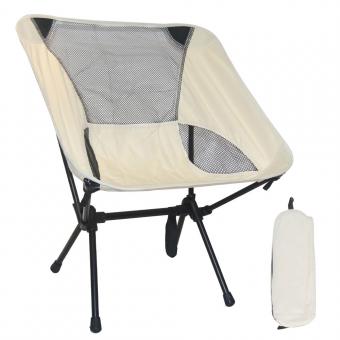
Merke : ANHUI FEISTEL-FABRIKKEN Relatert produksjon : OEM og ODM Produkt : Den spesialtilpassede, lette, sammenleggbare månestolen i metall og jern tilbyr slitesterk støtte og komfort, ideell for utendørs camping, med et kompakt, bærbart design for enkel transport og oppbevaring.
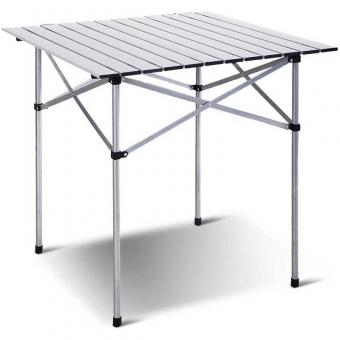
Merke : ANHUI FEISTEL FACTORY Relatert produksjon : OEM & ODM Produkt : Utendørs bærbart sammenleggbart Roll Up piknikbord: Lett, slitesterk aluminiumsdesign med justerbar høyde, enkelt oppsett og kompakt bæreveske for camping, piknik og utendørsaktiviteter.
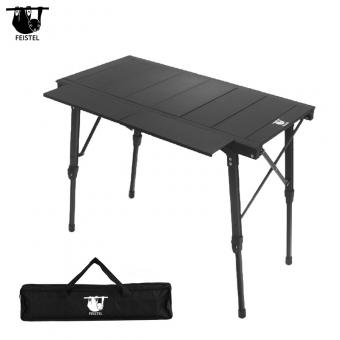
Merke : ANHUI FEISTEL FACTORY Relatert produksjon : OEM & ODM Produkt : Et allsidig, bærbart IGT BBQ campingbord med justerbare høydeben. Ideell for utendørs matlaging, camping og piknik. Lett og sammenleggbar for enkel transport.
Merke : ANHUI FEISTEL FACTORY Relatert produksjon : OEM & ODM Produkt : Kompakt og lett sammenleggbart aluminiumsbord, perfekt for camping, strand eller utendørsaktiviteter. Lett å bære, solid og ideell for oppbevaring av mat og drikke.
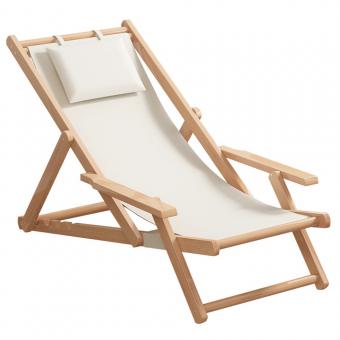
Merke : ANHUI FEISTEL-FABRIKKEN Relatert produksjon : OEM og ODM Produkt : Denne sammenleggbare lenestolen i tre for camping har en solid ramme, ergonomisk tilbakelent design og kompakt sammenleggbar struktur – perfekt for avslapning på stranden, campingplassen eller i hagen.
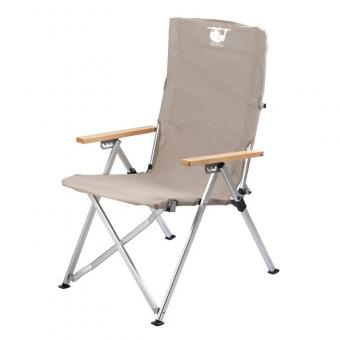
Merke : ANHUI FEISTEL-FABRIKKEN Relatert produksjon : OEM og ODM Produkt : Denne sammenleggbare campingstolen med aluminiumsramme for utendørs bruk har justerbar ryggstøtte, et lett, men solid design, og tilbyr bærbar komfort for camping, strandturer, piknik og avslapning utendørs.
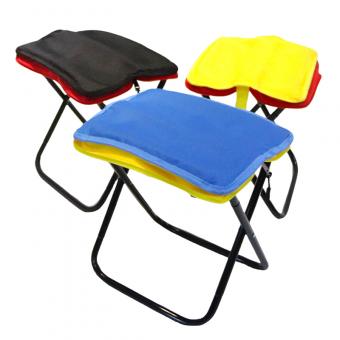
Merke : ANHUI FEISTEL-FABRIKKEN Relatert produksjon : OEM og ODM Produkt : Minikrakken for turgåing kombinerer et slitesterkt, sammenleggbart design i Oxford-stoff med en kreativ lomme til penal, noe som gir bærbarhet, komfort og praktisk funksjonalitet for camping og utendørseventyr.
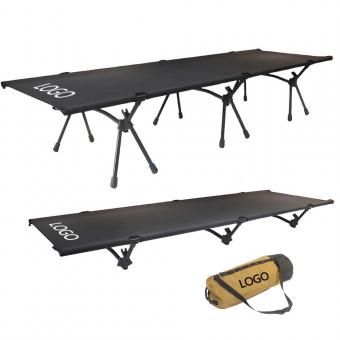
Merke : ANHUI FEISTEL-FABRIKKEN Relatert produksjon : OEM og ODM Produkt : Reisesengen for turutstyr i engros er en sammenleggbar campingseng med justerbar høyde som gir solid støtte, enkel bærbarhet og komfortabel hvile for utendørseventyr.
Merke : ANHUI FEISTEL FACTORY Relatert produksjon : OEM & ODM Produkt : En utendørs ultralett enkel kompakt bærbar sammenleggbar campingseng ideell for backpacking, med en slitesterk ramme, enkelt oppsett og en praktisk bæreveske for reiser.
LA OSS HOLDE KONTAKT :